Triwize Flights
Home/Blogs/5 Types of Carry-On Bags for Travelers Who Want to Pack Smarter
5 Types of Carry-On Bags for Travelers Who Want to Pack Smarter
Packing & Travel Gear

5 Types of Carry-On Bags for Travelers Who Want to Pack Smarter

By Editorial Team
July 3, 202610 min read

A good carry-on bag should make the trip feel easier before you leave home. Plenty of travelers buy the bag that looks neat online and then spend the trip fighting with it: wheels that hate cobblestones, a backpack that turns into a black hole, or a duffel that digs into one shoulder by gate B37.

Packing smarter is not only about taking fewer things. It is about picking the right shape of bag for the trip you are taking. A traveler backpack can be brilliant for train connections and walkable cities. A rolling suitcase can be easiest for a work trip. A small underseat bag might beat both for two nights.

One more piece of the travel puzzle: bag choice and booking habits often work together. Knowing which traveler backpack to carry and when to book the cheapest flights together can make that trip smoother, more fun, and enjoyable max!

Key takeaways

  • • The best carry-on depends on trip length, terrain, mobility, airline rules, and how much you hate carrying weight on your back.
  • • A travel backpack works best when you need hands-free movement, but it needs structure, smart pockets, and a realistic packing list.
  • • Rolling carry-ons are still the easiest option for many airport-to-hotel trips, especially business travel.
  • • Duffels are flexible, but annoying when overpacked.
  • • Underseat bags are underrated, but size varies by airline and aircraft.
  • • Before buying, check current airline carry-on and personal item rules.
5 Types of Traveler Backpacks for the Smart Traveler

A smart traveler knows a luggage cannot be a burden, especially when lots of walking is on the cards. Thankfully the market has many options to bring out just the right backpack you need.

Listed below is a quick comparison on the best 5 carry-on bag types.

Bag typeBest forWhat it does wellWhere it gets annoyingAvoid it if
Traveler backpack / travel backpackCity trips, hostels, trains, multi-stop travelHands-free, flexible, easier on stairsCan strain shoulders if packed badlyYou dislike carrying weight or need formal clothing kept crisp
Rolling carry-on suitcaseBusiness trips, hotels, smooth airportsEasy to organize; protects clothes wellWheels struggle on rough streets and stairsYou will walk far, change transport often, or use tiny storage spaces
Duffel bagWeekend trips, road trips, gym-plus-travel packingLight, simple, squeezes into odd spacesNo structure; one-shoulder carry gets tiringYou need laptop protection or neat compartments
Underseat carry-on bagShort trips, basic economy-style packing, quick exitsKeeps essentials close; avoids bin stressVery limited space; dimensions varyYou pack extra shoes, bulky outfits, or lots of toiletries
Travel rucksack backpack / hybrid backpackBackpacking-style travel, outdoors plus city travelCarries better for longer walks; handles mixed terrainTop-loading designs can hide itemsYou want a polished business bag or easy clamshell packing

1. Traveler backpack / travel backpack

Wide Backpack

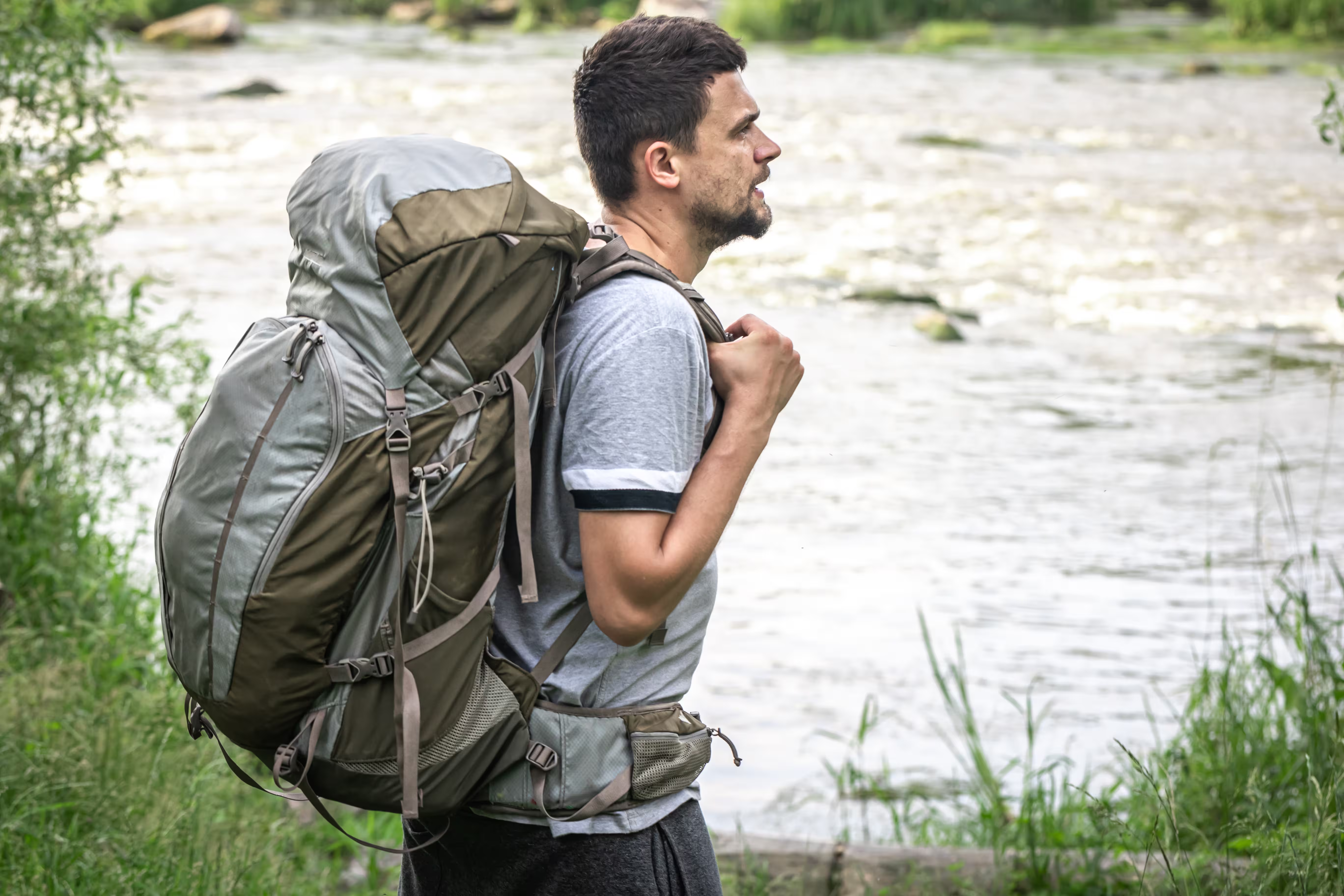
A traveler backpack is the bag people imagine when they want freedom: no wheels, no checked bag, no waiting at baggage claim. It works especially well when your trip includes public transit, stairs, old streets, shared rides, or a few hotel changes. For many people, the best travel backpack is not the largest one. It is the one you can carry for 20 minutes without regret.

Look for a backpack that opens wide, not just from the top. A clamshell opening makes it easier to see your clothes, laptop, chargers, and liquids pouch. A padded laptop sleeve helps if you work while traveling. Compression straps are useful, but they are not permission to bring three extra outfits.

Where it struggles: weight. A backpack can feel wonderfully efficient at home and miserable after a delayed flight. This is where backpack and travel planning have to be honest. If you are carrying heavy shoes, camera gear, a laptop, and winter clothes, a backpack may not be kind.

Pack it better: put heavier items close to your back and toward the middle. Use two or three packing cubes, not six tiny ones. Keep the liquids bag and passport in easy-reach pockets. If you are searching how to pack a backpack for travel, that is the basic idea: weight close, essentials reachable, clothes compressed but not crushed.

Who should avoid it: travelers with back or shoulder issues, anyone packing formal clothes, and anyone who knows they will overpack and then pretend it is fine.

2. Rolling carry-on suitcase

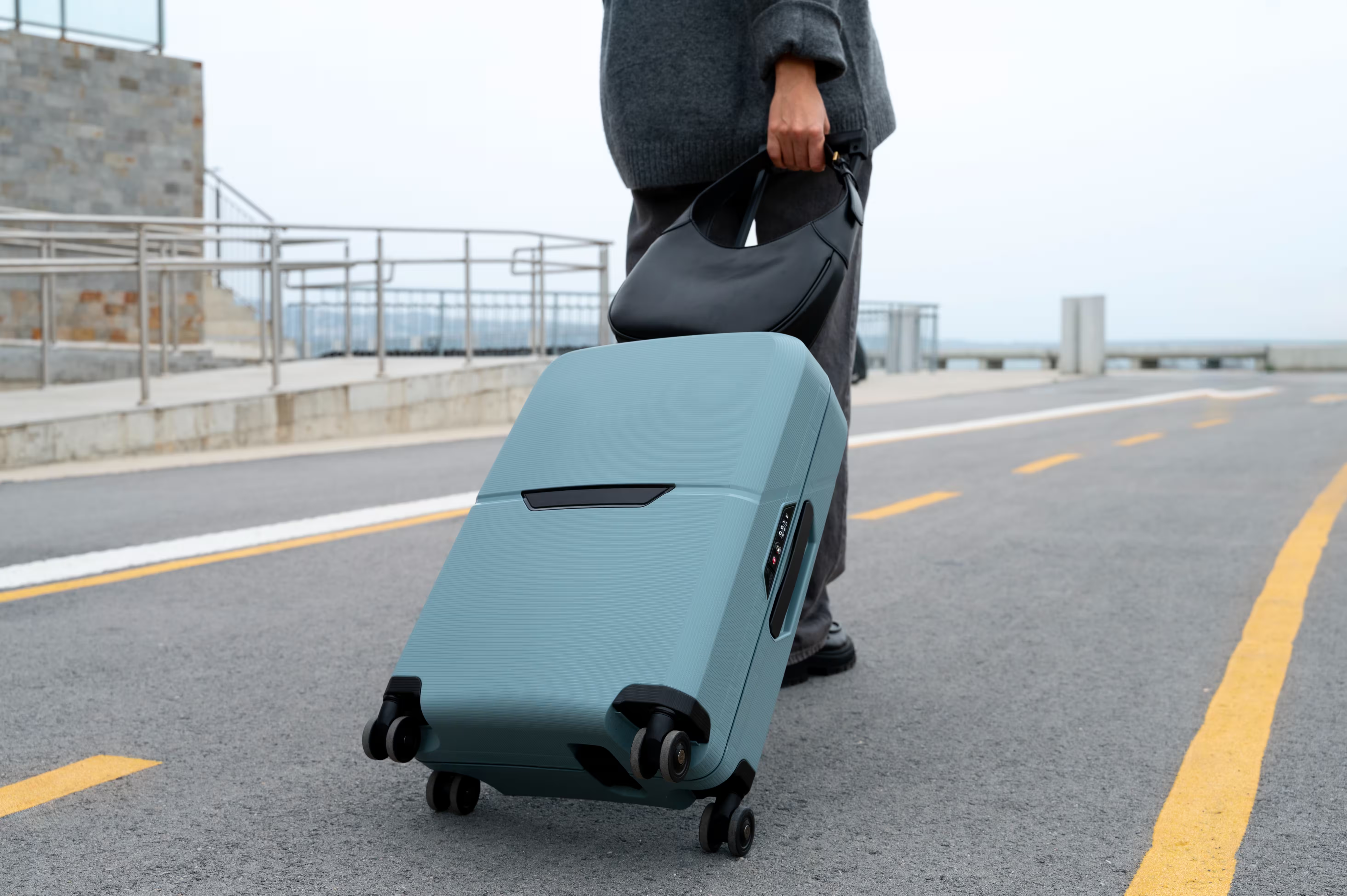
Rolling Carry-on suitcase

The rolling carry-on suitcase is not exciting, but it is sensible. For airport-to-Uber-to-hotel travel, it wins because it keeps weight off your body and gives clothes a cleaner home. If your trip has meetings, dinners, or outfits you do not want wrinkled, a suitcase usually beats a soft backpack.

Most US travelers will recognize the common 22 x 14 x 9 inch carry-on size used by major airlines such as American and United, but do not treat that as a universal promise. Airline rules vary, and handles and wheels are usually included in the measurement. The FAA also advises travelers to check airline carry-on rules because restrictions can be stricter.

The weak spot is terrain. Smooth airport floor? Perfect. A fourth-floor walk-up, a subway transfer, or a rainy broken sidewalk? Less perfect. Hard-shell cases can also tempt people to fill every corner because everything looks neatly contained.

Pack it better: use one side for clothes and the other for shoes, toiletries, and tech. Keep your personal item light. Put anything needed at security in it, because opening a suitcase in the line is a small public performance nobody enjoys.

Who should avoid it: travelers moving through stairs, ferries, trains, hostels, or older city streets for much of the trip.

3. Duffel bag

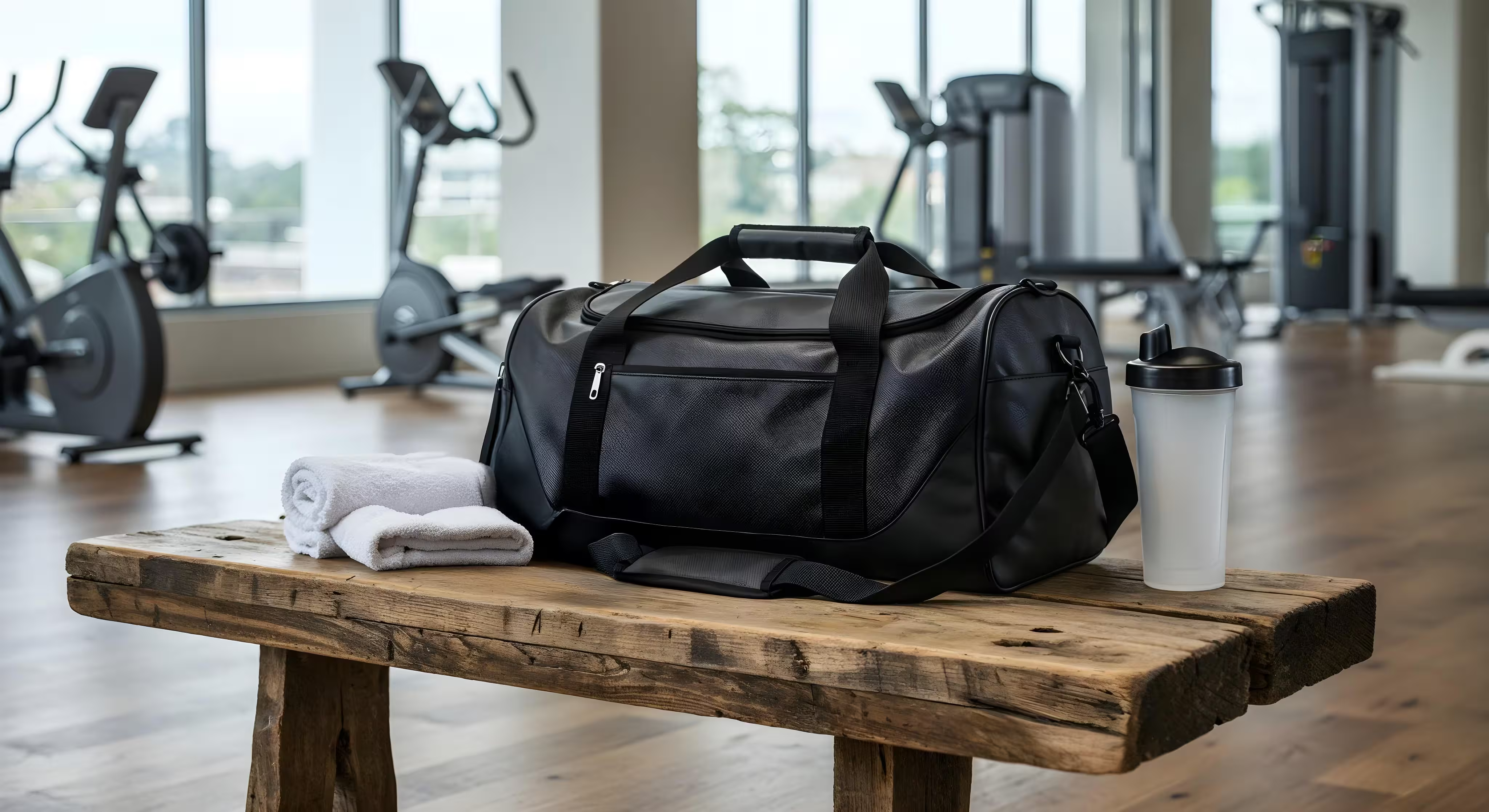
Duffel Bag

A duffel is for travelers who like things simple. It is great for a two-night trip, road trip, beach weekend, or flight where you are packing soft items and not much tech. It can fit into spaces where a hard suitcase refuses to cooperate, and it weighs very little when empty.

That convenience has a catch. A duffel is easy to overstuff, and once it gets heavy, the charm fades. One shoulder takes the punishment. Even backpack-style duffels can sag if the load is not balanced. Small items also disappear into corners unless the bag has useful pockets.

Pack it better: roll soft clothing, use one cube for underwear and socks, and keep a small pouch for chargers, medicine, and travel documents. Shoes should go in a separate bag. If you cannot close the duffel without pushing down hard, you have already lost the plot.

Who should avoid it: anyone carrying a laptop without a sleeve, anyone who wants tidy compartments, or anyone walking long distances through airports and city streets.

4. Underseat carry-on bag

Underseat Carry-on Bag

The underseat carry-on bag deserves more respect. For a one- or two-night trip it can be the smoothest option: board, slide it under the seat, sit down, leave quickly. No overhead-bin chess match.

The warning: underseat space is not one fixed national size. It varies by airline, aircraft, seat position, and sometimes cabin layout. American, for example, lists a personal item size that must fit under the seat in front of you, while the FAA notes that some aircraft have limited overhead bin space and personal items may need to fit under the seat.

Underseat bags work best when you pack like you mean it: one pair of shoes worn on the plane, a small liquids kit, a thin layer, and clothes that mix well. Add bulky shoes, and the underseat dream gets shaky fast.

Pack it better: place the laptop or tablet closest to the back panel, keep the liquids pouch near the top, and choose soft clothing that can bend around the bag shape. Do not pack anything you need mid-flight at the very bottom unless you enjoy unpacking with your knees.

Who should avoid it: chronic overpackers, winter travelers with bulky layers, and outfit changers.

5. Travel rucksack backpack or hybrid backpack

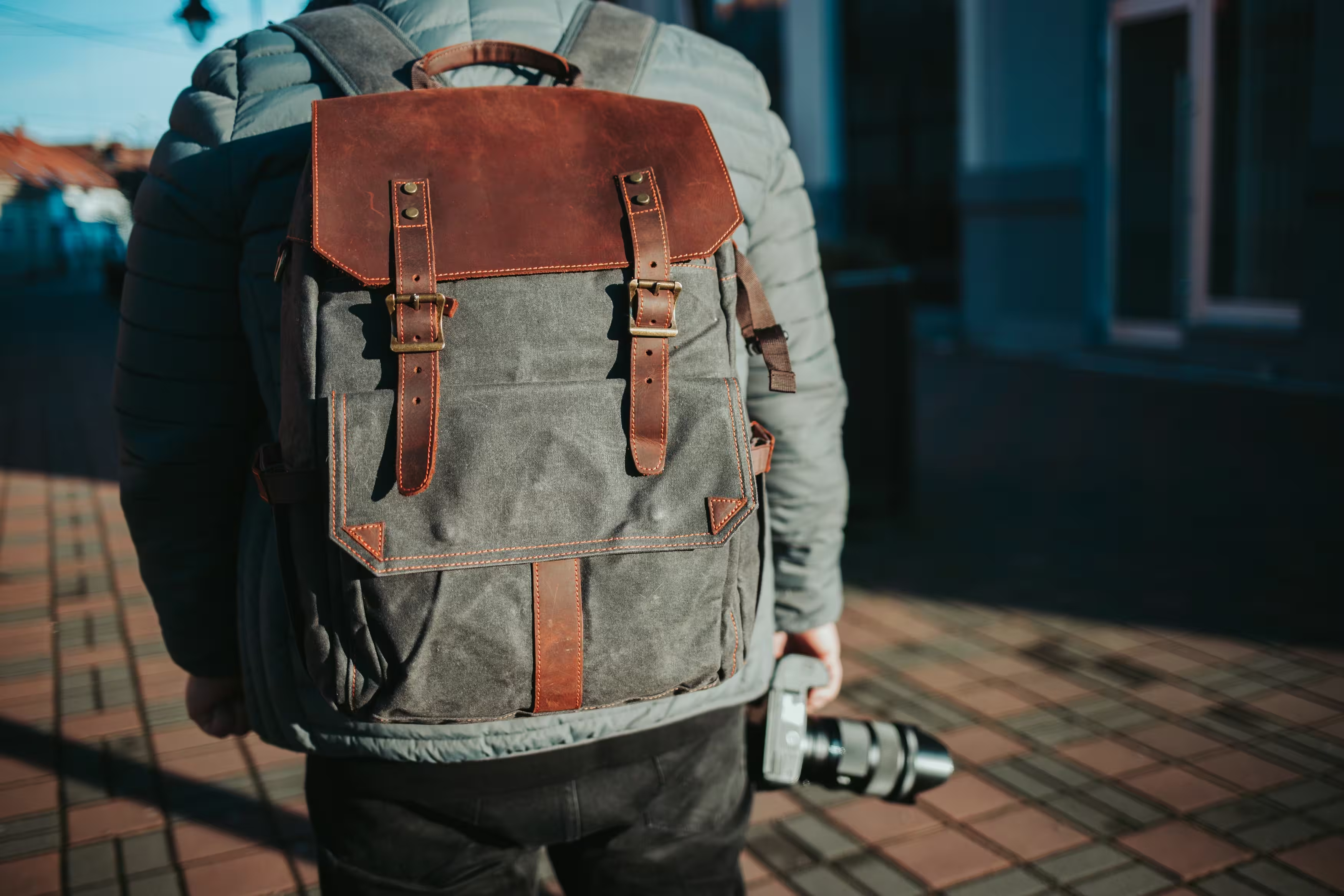
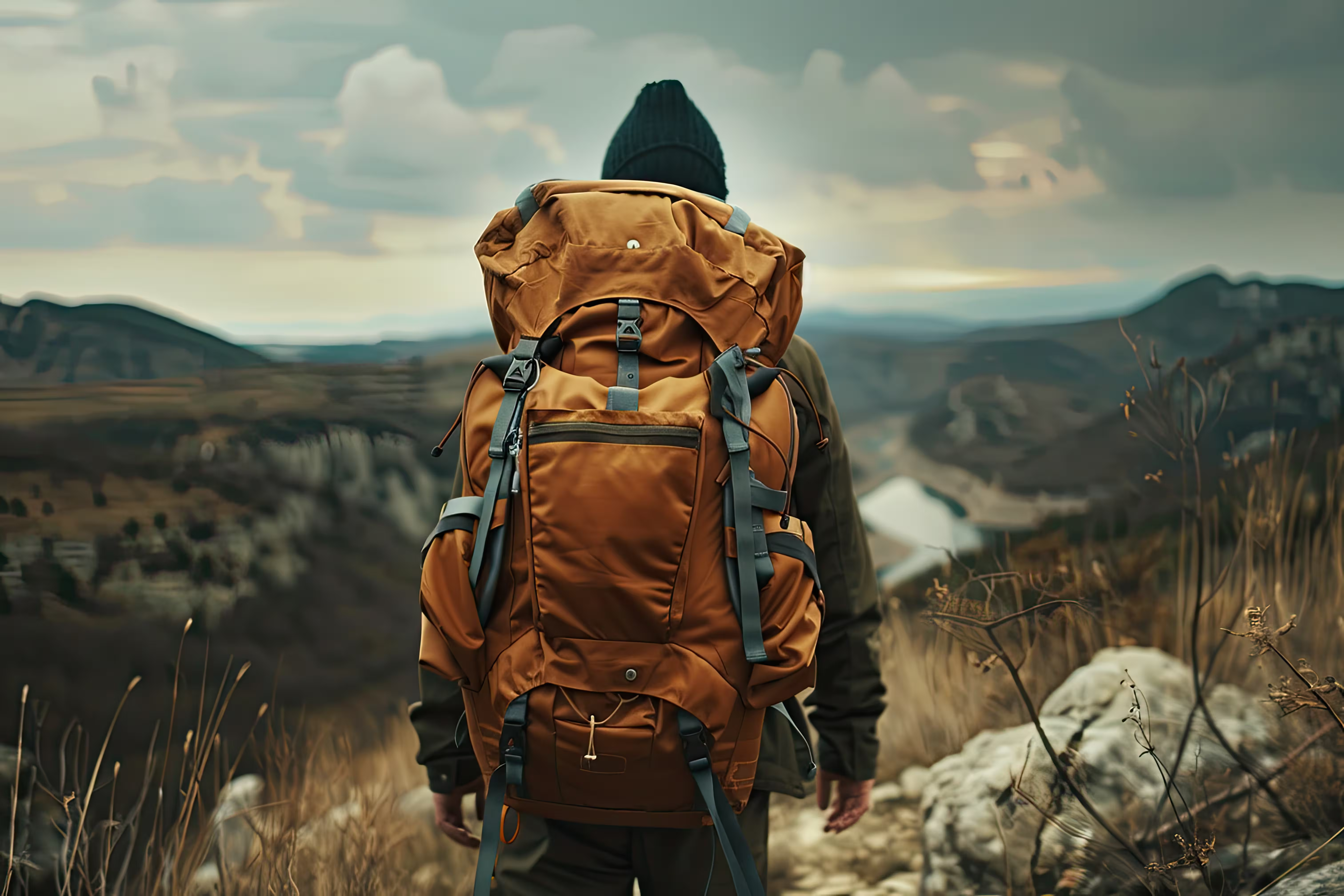
Travel Rucksack Backpack

A travel rucksack backpack sits between an outdoor pack and a city travel backpack. It usually carries better than a basic backpack, especially with a hip belt and sternum strap. A hybrid version may add suitcase-style opening, side handles, laptop space, or stowaway straps.

This is the bag to consider when your trip mixes real walking with normal travel: parks plus city days, hostels plus trains, or routes where wheels slow you down. It is also the closest answer to how to pack for backpacking travel without going full wilderness mode.

The inconvenience is access. Some rucksacks are top-loading, which can turn a clean packing plan into digging for socks in the dark. They can also look less polished in business settings. A travel backpack for men or a travel backpack for women should not be chosen only by label. Torso length, strap shape, hip belt position, and loaded comfort matter more.

Pack it better: use a light cube for tops, a heavier cube for bottoms, and a flat pouch for documents. Keep rain gear or a layer near the top. If the bag has outside straps, tighten them so nothing swings around while boarding.

Who should avoid it: travelers who mostly take short work trips, want a crisp hotel-lobby look, or dislike adjusting straps every time the bag goes on.

Bag choice also connects to how much help you want with the rest of the trip. AI may be enough for a simple route. A human travel expert can still save time when the itinerary has moving pieces. In the debate of AI Trip Planner Vs Human Agents, the best travel experiences in 2026 are the ones where technology does the heavy lifting on search and speed, and humans do the heavy lifting on judgment and care.

A practical way to choose your carry-on

Start with the trip, not the bag. A long weekend in Chicago is not the same problem as two weeks across Spain by train. Ask four blunt questions before buying:

  • • Will I walk more than 15-20 minutes at a time with my bag?
  • • Do I need wrinkle control for work clothes or events?
  • • Will I fly a budget airline or a small regional aircraft?
  • • Am I packing for comfort, or am I packing for imaginary emergencies?

Lots of walking? Lean backpack or hybrid. Work clothes? Lean suitcase. One night and no drama? Lean underseat bag. If you need cheap and simple, look at best budget travel backpacks or a basic duffel, but skip weak zippers. A broken zipper at the airport is a boring way to learn about value.

How to pack smarter without turning packing into a hobby

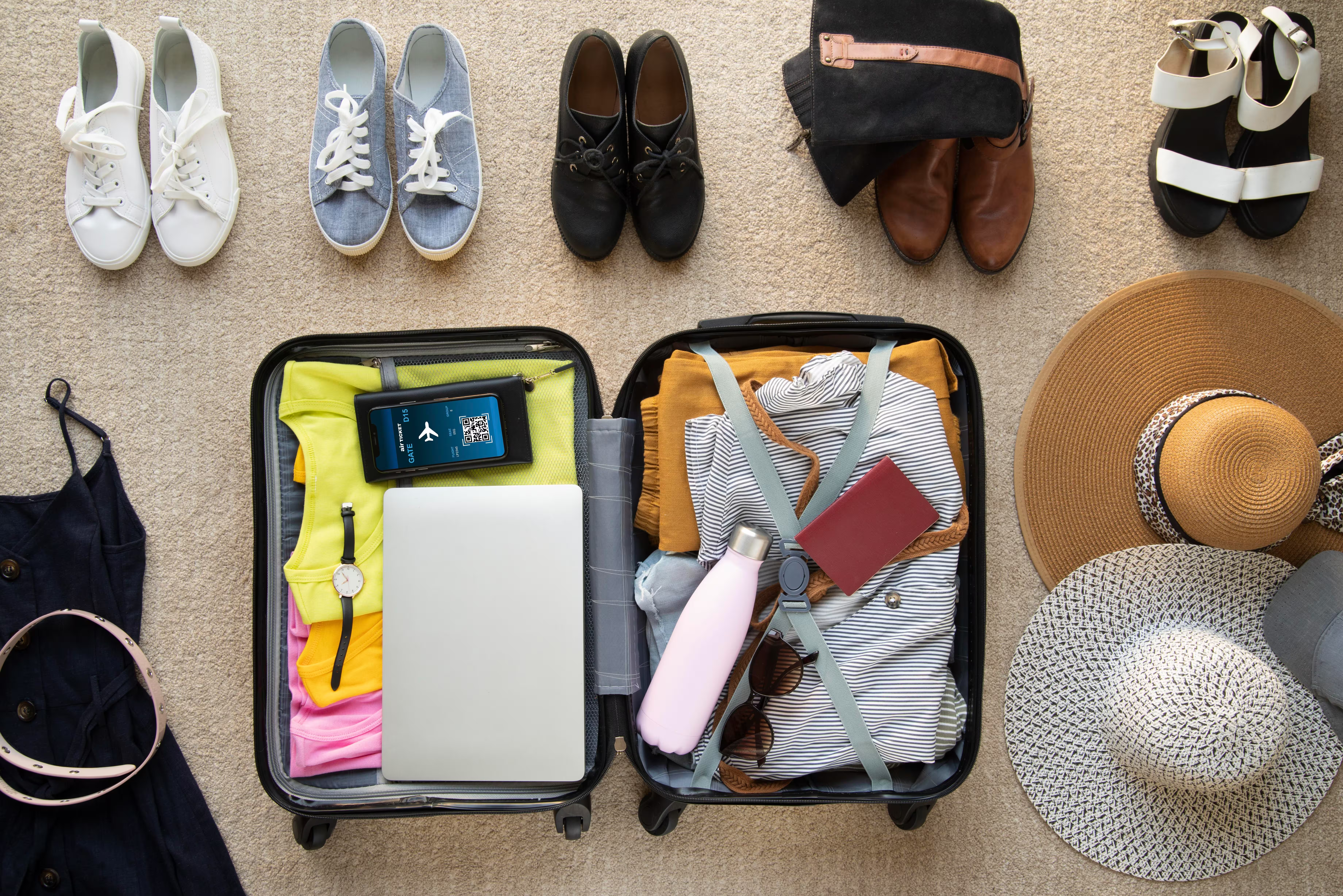
How to Pack

The internet makes packing sound like a game: how to upgrade traveler's backpack, how to equip traveler's backpack, even how to craft traveler's backpack. In real life, the upgrade is simpler: fewer random items and better access to what matters.

Use a small packing system: one cube for main clothes, one for underwear and sleepwear, one pouch for tech, one clear liquids bag. Wear the bulkiest shoes. Pack clothes that repeat well. Leave the “maybe” outfit at home unless the event is real.

For liquids in a US airport, TSA's 3-1-1 rule still matters: travel-size containers in a quart-size bag, one per passenger. Power banks and spare lithium batteries belong in carry-on baggage, not checked baggage. If your carry-on is gate-checked, remove those items and keep them with you in the cabin.

A simple test helps: fill the bag, close it normally, then walk around the block or up two flights of stairs. If you hate it at home, you will hate it more at the airport. That applies to suitcases, duffels, and any travel backpack.

Final thought: choose the bag that makes the trip easier

A traveler backpack can be the smartest carry-on for the right trip. So can a suitcase. So can a tiny underseat bag. The mistake is buying for the traveler you wish you were instead of the trip you are actually taking.

Choose the bag that reduces friction: fewer awkward lifts, fewer rummaging sessions, fewer forced gate checks, fewer sore shoulders. That is what packing smarter really means.

Triwize helps travelers think through these choices before they become airport problems, from flights and itinerary planning to small packing decisions. No drama, no overpacking speech. Just easier travel.

Frequently Asked Questions

What is the best travel backpack for carry-on travel?

The best travel backpack is usually a structured, carry-on-sized backpack that opens like a suitcase, has a padded laptop area, comfortable straps, and enough organization without becoming heavy. The right answer depends on your body and trip style. Try it loaded before trusting it for a long trip.

Is a traveler backpack better than a suitcase?

A traveler backpack is better when you need hands-free movement, stairs, trains, or uneven streets. A suitcase is better when you want easy organization, less strain on your body, and better wrinkle control. Neither is automatically smarter; the smarter choice is the one that matches the trip.

How do you pack a backpack for travel?

For anyone searching how to pack backpack travel or how to pack a backpack for travel, start with weight. Put heavier items close to your back, keep frequently used items near the top or front pocket, and avoid filling every spare inch. If it feels too heavy at home, remove something.

What is backpacking travel?

Backpacking travel usually means traveling with your main belongings in a backpack, often across multiple stops, using public transport, hostels, budget stays, or flexible routes. It does not have to mean roughing it. Often, it simply means staying mobile and packing with intention.

What is the best carry-on bag for short trips?

For one or two nights, an underseat bag or small travel backpack is often enough. For a work trip, a rolling carry-on may be better because it protects clothing. For casual weekends, a duffel can work if you keep it light.

Can a travel backpack fit under an airplane seat?

Sometimes, yes. A small travel backpack may fit under the seat if it meets the airline's personal item limit and is not overstuffed. But underseat space varies by airline, aircraft, and seat location, so check current rules first.

Related Blogs