Triwize Flights
Home/Blogs/Airport First-Hour Strategy: What Smart Travelers Do Before They Board
Airport First-Hour Strategy: What Smart Travelers Do Before They Board
Smart/Assisted Travel

Airport First-Hour Strategy: What Smart Travelers Do Before They Board

By Editorial Team
July 15, 202610 min read

Most airport stress does not begin at the gate.

It begins in the first hour after you walk through the terminal doors. All of a sudden, you realize your bag may be too heavy, your boarding pass has not been updated, your passport is buried somewhere under your headphones, or the security line is moving at the speed of a tired Monday morning.

That first hour decides a lot.

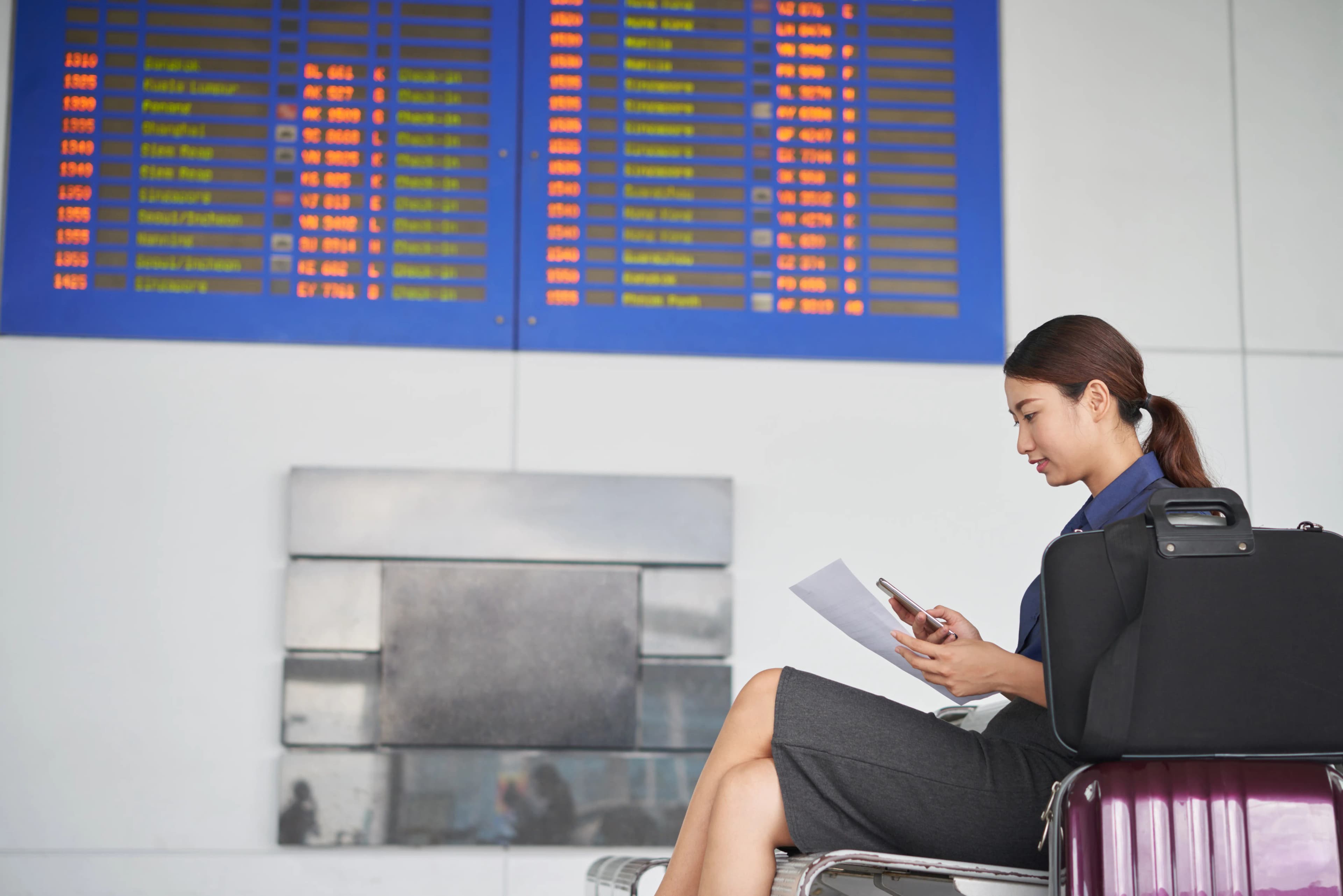
A good airport strategy is not about showing up early and hoping for the best. It is about using that early time well. You handle the small things while they are still small: documents, baggage, security, gate changes, water, food, phone battery, and the simple question every traveler quietly asks at least once — “Am I where I’m supposed to be?”

For newer travelers, especially those flying internationally, a little first-time flyer preparation before airport day can make the terminal feel far less confusing.

What Is an Airport First-Hour Strategy?

Airport Strategy

An airport first-hour strategy is the routine you follow from the moment you arrive at the airport until you are through security, oriented, and ready to board.

It is not a strict schedule. Airports do not work that neatly.

Think of it as an order of operations. First, confirm the basics. Then deal with bags. Then clear security. Then find the gate. Then take care of your body and your phone before boarding starts.

That sounds simple, but it matters because airports are full of tiny decisions. Which line? Which terminal? Which document? Which bag? Which gate? Which announcement?

When you do those things in a calm sequence, the airport becomes easier to manage. Not perfect. Just less chaotic.

Why the First Hour Matters

Why the first hour matters

The first hour sets the mood for the whole airport experience.

Use it badly, and you may spend the rest of the time catching up — repacking at the counter, searching for a visa document, walking to the wrong gate, or trying to charge your phone after boarding has already started.

Use it well, and you buy yourself margin.

US air travel is busy enough that small delays can stack up quickly. The Bureau of Transportation Statistics reported about 84.8 million revenue passenger enplanements on US carriers in March 2026, including domestic and international traffic. In a system that is crowded, you do not need a major crisis to feel rushed. One slow bag-drop line can do it.

A smart airport strategy helps you control what you actually can control:

  • • Your documents
  • • Your baggage
  • • Your boarding time
  • • Your security prep
  • • Your phone battery
  • • Your food and water
  • • Your awareness of gate changes

It will not stop a delayed aircraft, bad weather, or airspace disruption. But it gives you more room to respond. For bigger travel uncertainty, it is worth thinking about flight disruption planning before the airport day, not once you are already standing in line.

Quick verified numbers:

Travel FactWhy it Matters
BTS reported about 84.8 million US carrier passenger enplanements in March 2026.Airports and airlines are operating at a scale where small process delays can affect travelers quickly.
TSA says about 99% of TSA PreCheck passengers wait less than 10 minutes.TSA PreCheck can help with screening time, but it does not solve baggage, document, or gate issues.

The Smart Traveler’s First-Hour Checklist

A smart traveler is a prepared traveler. Want a visual reference? How about the character ‘Monica’ from Friends! While rushing everyone to the airport, she famously panics: "The flight leaves in four hours! It could take time to get a taxi! There could be traffic! The plane could leave early!" She can sound irritating, but is not wrong, and is surely prepared!

StepWhat to doWhy it mattersCommon Mistake to Avoid
Confirm terminal and gateOpen the airline app and check airport screens before joining any line.Saves walking time and prevents wrong-terminal panic.Trusting an old screenshot.
Check the airline appLook for flight status, seat, boarding group, bag status, delays, and alerts.Airline apps often update faster than email.Ignoring push notifications.
Review baggage rulesCheck carry-on, personal item, checked bag size, fees, and weight.Baggage surprises can be expensive and stressful.Assuming every airline follows the same policy.
Keep documents readyPassport, ID, visa, boarding pass, insurance, and hotel address should be easy to access.Speeds up check-in, security, and international document checks.Packing documents deep inside a backpack.
Handle security calmlyKnow the TSA liquids rule, electronics guidance, and whether you have TSA PreCheck.Rushing at security is when people misplace things.Opening every pocket at the belt.
Refill water after securityCarry an empty bottle and fill it after screening.Hydration is easier before boarding than during boarding.Buying water late and missing announcements.
Charge your phoneUse a power bank or outlet before boarding begins.Your phone may be your boarding pass, alert system, map, and payment method.Waiting until the battery is nearly dead.
Check boarding timeWatch boarding time, not just departure time.Boarding can begin well before departure.Treating departure time as gate-arrival time.
Stay alert for gate changesCheck app alerts and airport screens every so often.Gate changes are common enough to plan for.Putting on headphones and disconnecting completely.

How to Reduce Airport Anxiety Before Boarding

Reduce Airport Anxiety

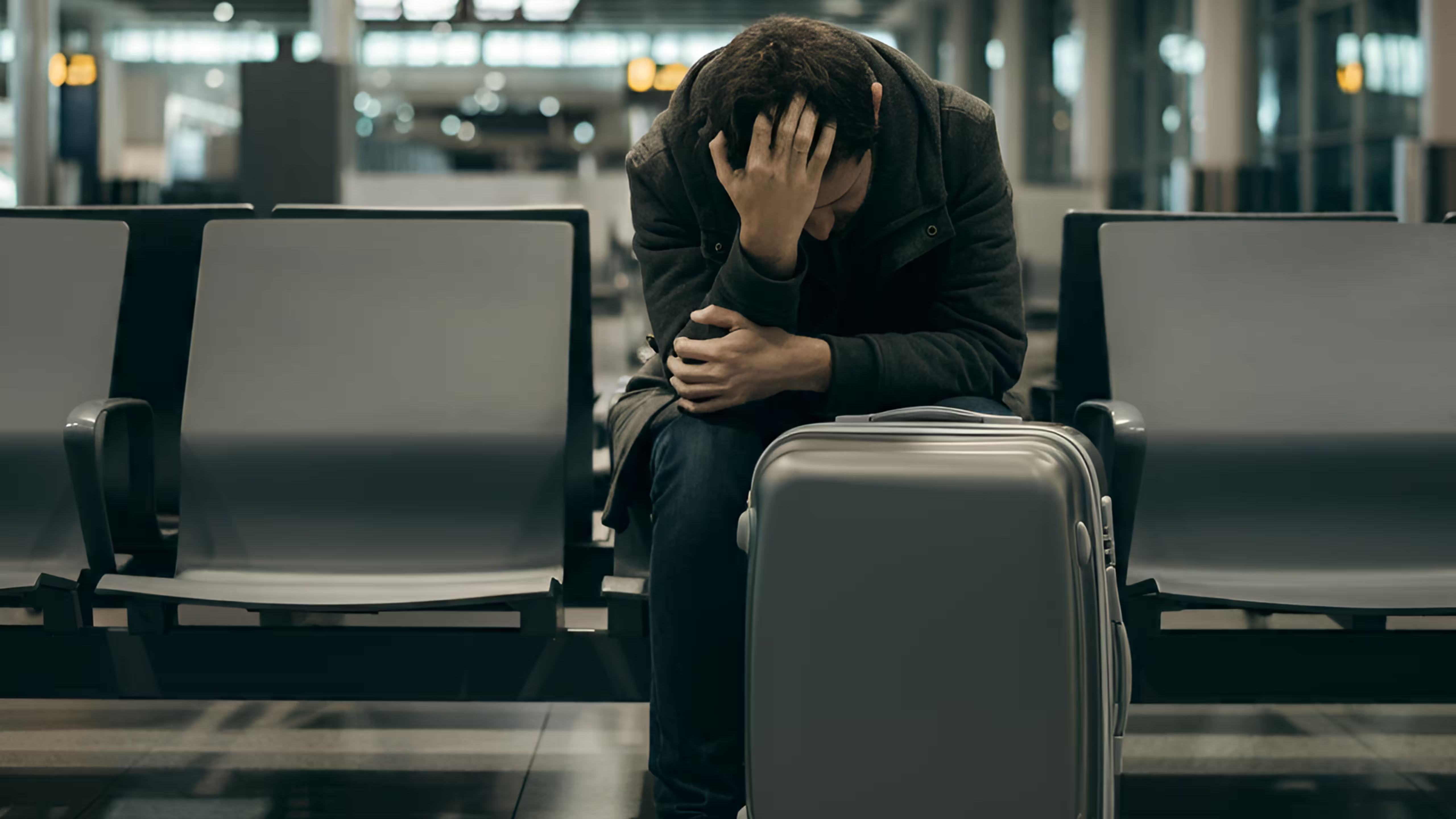
Airport anxiety is often not only about flying.

A lot of it comes from not knowing what happens next.

Where do I go? Is this the right line? Did I pack something wrong? Will they ask for a document I cannot find? Is my bag allowed? Did my gate change?

That mental noise builds fast.

Preparation reduces it because it removes open questions. You know where your passport is. You know which bag is allowed in the cabin. You know when boarding starts. You know whether you need the counter or can go straight to security.

The goal is not to become a perfect traveler. The goal is to make the first hour boring.

That may sound unexciting, but boring is good at the airport.

Use the same pocket for your passport. Keep the same note on your phone with confirmation numbers and hotel details. Check the airline app before joining any line. Look at boarding time before thinking about food or shopping.

The less you improvise, the calmer the airport feels.

Why Airline Rules Matter More Than Travelers Think

Airport Rules

This is where airlines rules stop being fine print and become part of the trip.

Your airport strategy depends on them.

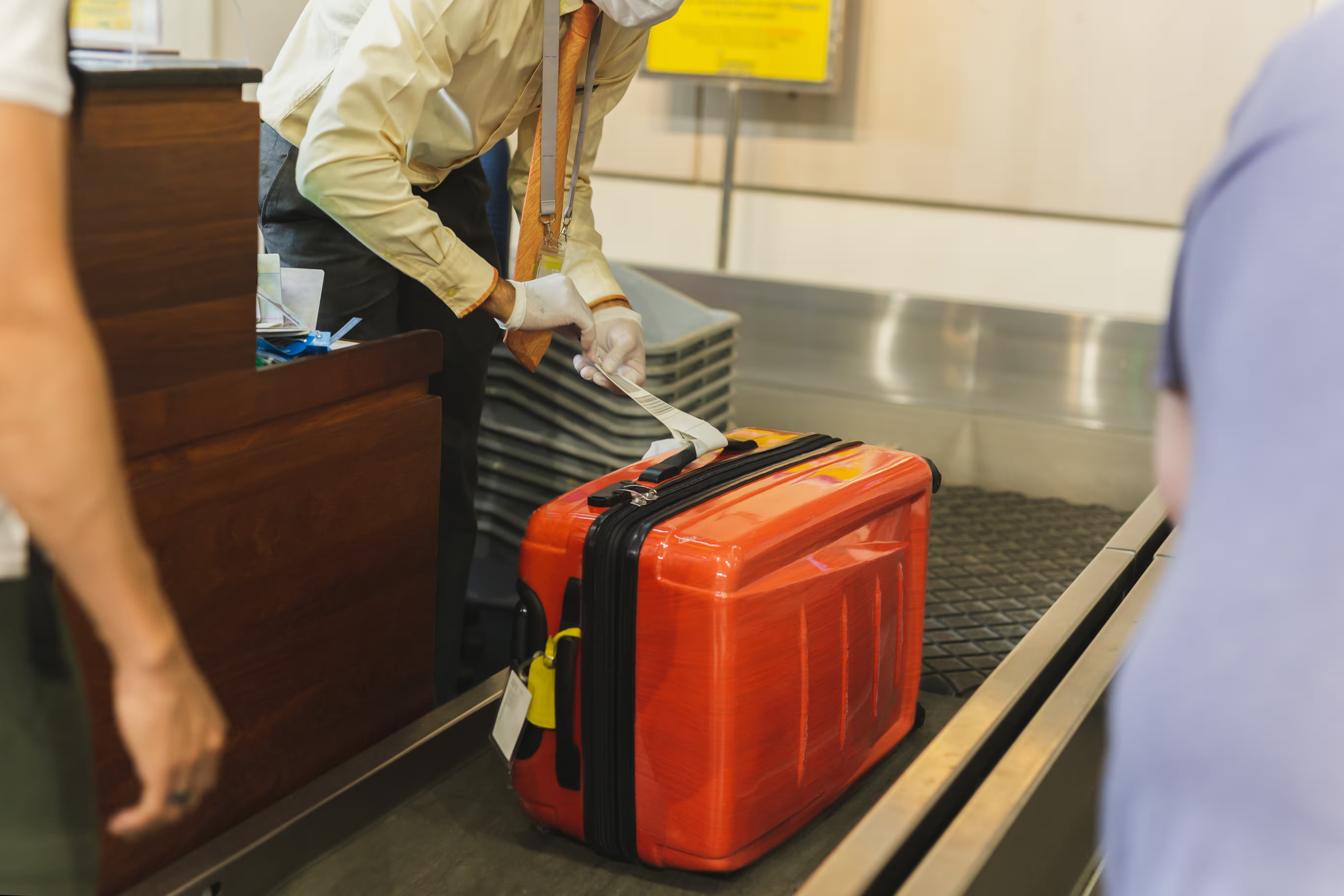
Baggage rules affect whether you need to visit the counter, whether your carry-on is accepted, whether your personal item fits, whether you pay a fee, and whether you end up repacking in front of strangers at the gate.

Check-in windows, boarding groups, seat assignments, passport checks, and carry-on limits also shape what your first hour should look like.

For example, American Airlines rules on baggage state that a personal item should not exceed 18 x 14 x 8 inches. A carry-on bag should not exceed 22 x 14 x 9 inches, including handles and wheels. Checked-bag fees vary by route, fare type, date of ticket issue, destination, and whether you pay online.

That means memorizing one fee is not enough. Your exact itinerary matters.

Spirit Airlines baggage rules need even more attention because Spirit’s baggage model has historically worked differently from many full-service airlines. Its April 30, 2026 Contract of Carriage listed one personal item at 18 x 14 x 8 inches and a carry-on limit of 22 x 18 x 10 inches when the carry-on is included or purchased.

The practical lesson is simple: check the live airline source before leaving for the airport.

Not a blog from last year. Not a social media comment. Not what worked on your last trip.

The airline’s current rules page.

Airport Benefits Smart Travelers Use Better

Wheelchair Assistance at Airport

Airport benefits are useful, but only when you understand what they actually solve.

TSA PreCheck can reduce screening time for eligible travelers. TSA says about 99% of TSA PreCheck passengers wait less than 10 minutes. That is helpful.

But TSA PreCheck does not fix a missing passport. It does not make an overweight bag lighter. It does not reopen a closed check-in counter.

Airline apps can give you mobile boarding passes, gate updates, delay alerts, and sometimes baggage tracking. But they cannot help much if your phone is dead.

Lounges can be useful for food, quiet, Wi-Fi, restrooms, and power outlets. But a lounge is not a substitute for knowing where your gate is.

The best travelers use airport benefits as support, not permission to get careless.

Useful airport benefits include:

  • • TSA PreCheck, where applicable
  • • Mobile boarding passes
  • • Airline app alerts
  • • Live gate updates
  • • Baggage tracking
  • • Lounge access
  • • Priority boarding
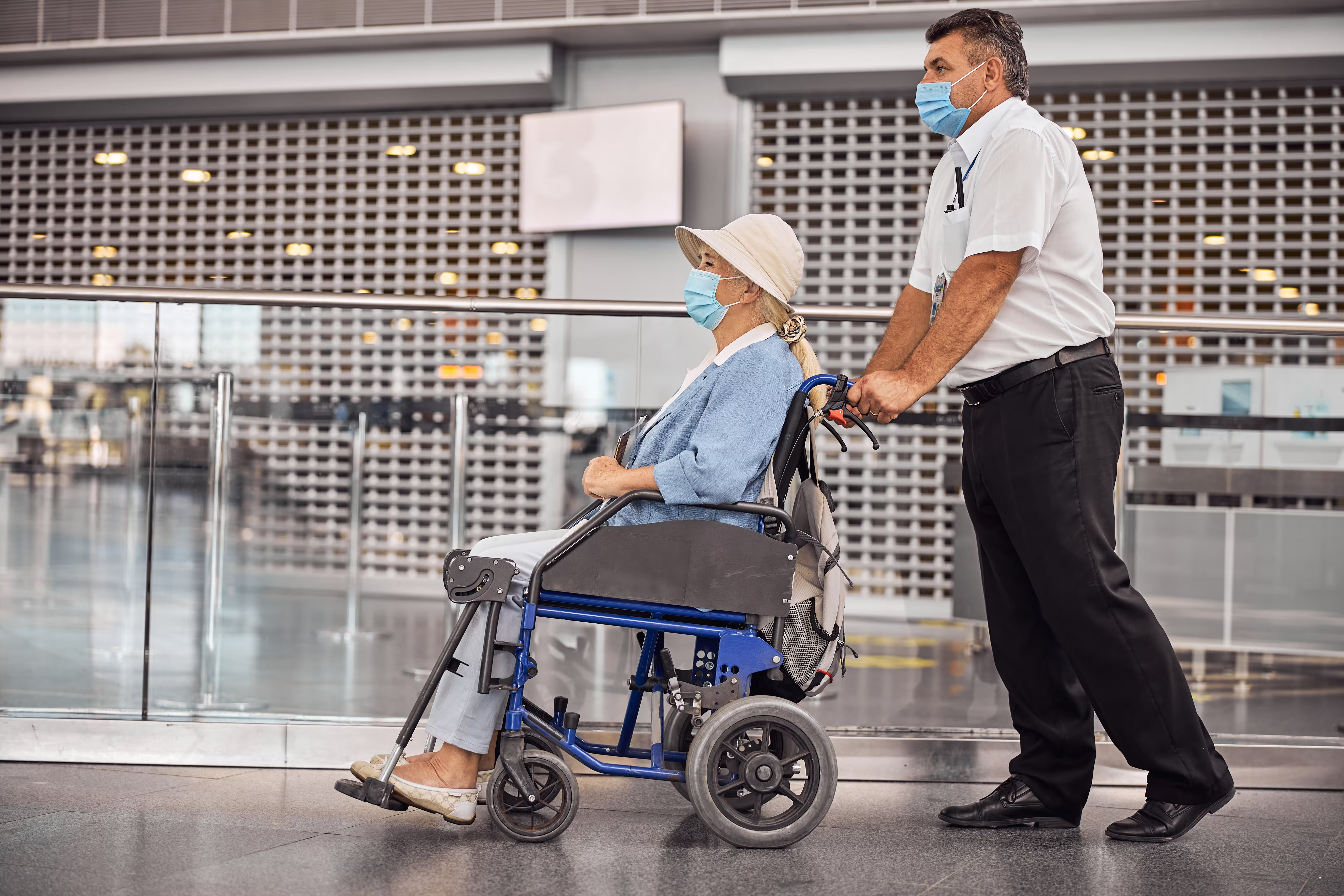
  • • Travel assistance
  • • Power banks and charging stations

None of these replaces the basics. They work best when your documents, bags, boarding time, and gate awareness are already handled.

A Simple 60-Minute Airport Strategy

This is not a promise that every airport can be handled in 60 minutes.

It cannot.

Timing varies by airport, airline, route, security conditions, checked baggage, international requirements, family travel, and season. Treat this as the first hour after arrival, not the total time you need before departure.

TimeWhat to DoNote
Minute 0–10Confirm terminal, flight status, boarding time, gate, documents, and bag rules.Do this before committing to a line.
Minute 10–25Check in, use bag drop, or solve baggage questions early.If a counter issue appears, you still have margin.
Minute 25–40Clear security with liquids and electronics prepared.Security timing varies, so stay flexible.
Minute 40–50Find the gate, use the restroom, refill water, and get food if needed.Do not leave basic needs until boarding begins.
Minute 50–60Charge your phone, recheck gate, keep documents ready, and listen for boarding.This is reset time, not shopping time.

The sequence matters more than the exact minute count.

If you are checking bags, flying internationally, using a very large airport, traveling with children, or flying during a peak holiday period, add more time. The 60-minute airport strategy is a rhythm, not a guarantee.

Common First-Hour Mistakes

Mistakes at the airport

The most common mistake is arriving early and then wasting the advantage.

You are physically at the airport, but mentally still unprepared.

Watch for these first-hour mistakes:

  • • Looking only at departure time instead of boarding time
  • • Not checking baggage rules before reaching the counter
  • • Keeping documents buried inside your bag
  • • Ignoring gate changes
  • • Waiting too long to eat or refill water
  • • Assuming every airline has the same carry-on policy
  • • Walking to a lounge before locating the gate
  • • Letting your phone battery drop while your boarding pass lives on the screen

None of these mistakes feels dramatic at the moment.

That is why they are sneaky.

One small mistake is manageable. Two or three together can turn into airport anxiety very quickly.

Key Takeaways

  • • A good airport strategy is about using early time well, not just arriving early.
  • • The first hour should cover documents, baggage, security, gate awareness, food, water, and phone battery.
  • • Airport anxiety often drops when the next step is clear.
  • • Always check current airline baggage rules before leaving home.
  • • Budget airlines and full-service airlines may handle baggage differently.
  • • Airport benefits help most when the basics are already handled.
  • • Boarding time matters more than departure time once you are inside the airport.

Conclusion

Smart travel is not about doing everything perfectly.

It is about removing avoidable stress before it starts.

The first hour at the airport is where that happens. You check the small things that can quietly derail a trip. You give yourself room to notice changes. You stop treating the gate as the first moment of responsibility.

That is also where thoughtful support can help.

Triwize is built around a simple travel idea: people should not have to remember every document, check-in window, baggage rule, or travel update alone. With dedicated human travel support, reminders, web check-in help, document guidance, and timely travel information, the airport can feel less like a test, and more like the beginning of the trip.

Frequently Asked Questions

What is an airport strategy?

An airport strategy is a simple plan for how you use your time at the airport. It covers when to arrive, what to check first, how to handle documents and bags, and how to get to the gate without rushing.

How early should I arrive at the airport?

TSA guidance is to allow enough time for parking or shuttle transport, airline check-in, boarding pass steps, and security screening. Many TSA and airport advisories use two hours before domestic flights and three hours before international flights as a practical baseline, but you should still check your airline, airport, route, and travel season.

How can I reduce airport anxiety before boarding?

Reduce the number of decisions you need to make at the airport. Keep documents in one place, check the airline app before joining a line, know your baggage allowance, and aim to reach the gate before you fully relax.

Why should I check airline baggage rules before leaving home?

Because baggage rules can affect your cost, check-in time, boarding experience, and whether your bag is accepted as a carry-on. Rules can vary by airline, fare type, route, aircraft, and date.

Are Spirit Airlines baggage rules different from other airlines?

Yes. Spirit’s baggage model has historically treated personal items and paid carry-ons differently from many full-service airlines. Travelers should check Spirit’s current official policies before relying on older baggage information.

What should I do in the first hour at the airport?

Confirm your terminal and gate, check the airline app, handle check-in or bag drop, keep documents ready, clear security calmly, refill water, charge your phone, and check boarding time again before settling in.

Related Blogs