
Triwize Flights
Home/Blogs/Fall Travel Deals: What to Know Before You Book This September
Fall Travel Deals: What to Know Before You Book This September
Smart/Assisted Travel

Fall Travel Deals: What to Know Before You Book This September

By Editorial Team
August 31, 202610 min read

September rolls around and something shifts. Kids go back to school, the beach towels get folded away, and flights that felt outrageous in July suddenly look reasonable. That's not luck. That's fall shoulder season doing exactly what it does every year.

If you've been putting off a trip because summer prices made your eyes water, this is your window. Not "someday." Right now, through late October, is when a good chunk of the year's best fall travel deals show up — on flights, hotels, and full vacation packages alike.

We watched a friend screenshot a $610 fare in July, only to find the same route sitting at $390 six weeks later. That's not a fluke. It's timing. And a lot of that timing comes down to when you actually search — something we got into in more detail in our piece on finding cheaper flights, worth a read if you want the mechanics behind why prices move the way they do.

So, what's the deal with fall? Let's get into it.

Why Airlines Suddenly Get Generous in September

Cheap Airfare

Summer is peak everything. Families travel together, schools are out, and demand stays high enough that airlines don't need to compete on price. Then Labor Day hits, and the whole equation flips.

Domestic fares typically drop somewhere between 25% and 40% off their August peaks between mid-September and late October. International routes — especially to Europe — fall even harder, often 30% to 50% cheaper after Labor Day, with that discount holding through the end of October.

Here's a rough breakdown of what that looks like by category:

Travel TypeTypical Savings vs. SummerBest Booking Window
Domestic flights25–40% off August highs4–8 weeks before departure
Flights to Europe30–50% off summer peaksRight after Labor Day through late October
Caribbean getaways20–40% off summer ratesLate Sept–Oct (watch hurricane season)
Hotels & vacation rentals20–25%+ in many marketsAs soon as your dates are set

Numbers like these move around by route and year, so treat them as a general shape, not a promise. But the pattern is consistent enough that "wait for fall" has become genuinely good travel advice, not just something your coworker repeats.

Why This Actually Happens

It's not charity. Airlines and hotels have seats and rooms to fill, and September through early November is what's called shoulder season — the quiet stretch between the summer rush and the holiday travel spike. Kids are back in school. Work schedules settle back into routine. Business travel hasn't ramped up yet either.

Less demand means one thing: prices come down to fill the gap. Supply and demand, plain and simple. And the weather usually cooperates too — most of the US and Europe stay pleasant well into October, so you're not really sacrificing much to save money.

Where the Best Fall Trip Deals Actually Are

Not every destination discounts the same amount. Some places are practically built for a fall visit.

Niagara Falls

Niagara Falls: Fewer Crowds, Better Light

Niagara Falls travel deals tend to get genuinely good once Labor Day passes. Summer here means twelve million-plus visitors and lines that stretch well past anyone's patience. By mid-September, that crowd thins out fast, hotel rates on both sides of the border drop, and the foliage along the gorge starts turning — reds and oranges framing the falls in a way summer just can't match.

If you're looking at travel deals to Niagara Falls Canada specifically, the Canadian side usually wins on views and lodging options, though you'll need a valid passport to cross either way. Early October is the sweet spot: still warm enough for the boat tours, cool enough that you're not fighting for a hotel room with every other family in the region.

Europe: The Discount Nobody Talks About Enough

Europe

Fall Europe travel deals are, frankly, underrated. Summer in Europe means packed piazzas, overpriced espresso near every tourist spot, and airfare that makes you wince. September flips that. Fares drop sharply after Labor Day and tend to stay low through late October, and cities that felt unbearable in July — Rome, Barcelona, Prague — become genuinely pleasant to walk around.

One thing worth knowing: Oktoberfest in Munich runs late September into early October, which pushes prices up specifically in Bavaria while the rest of Germany stays cheap. Worth checking the calendar before you lock in a German itinerary.

The Caribbean: Good Deals, One Real Tradeoff

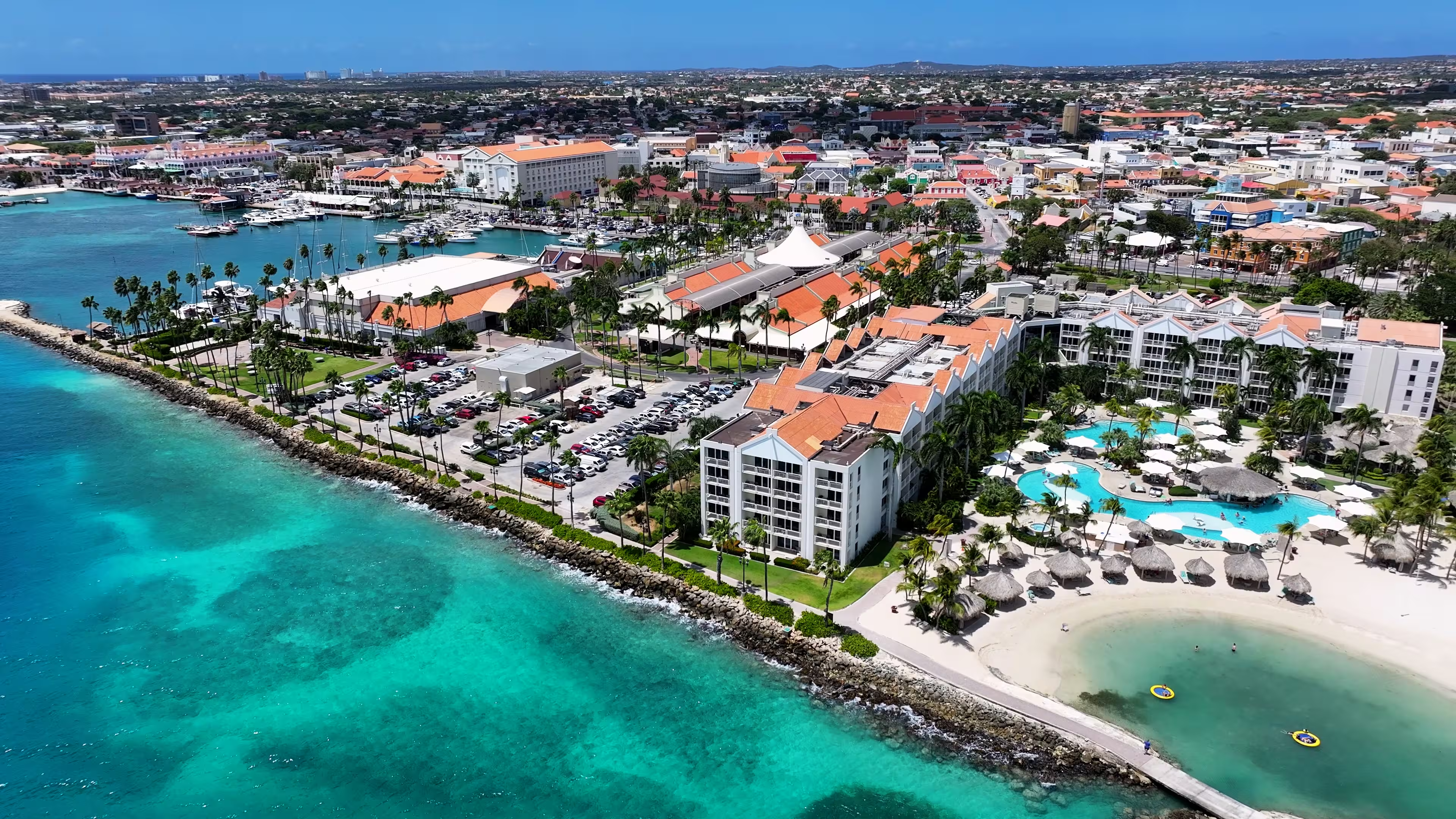
Aruba

Caribbean getaways get noticeably cheaper in late September and October, hotels especially. The tradeoff is hurricane season, which peaks through September and tapers off by November. If you're chasing the lowest prices, look at islands outside the typical storm track — Aruba, Curaçao, and Bonaire — and consider travel insurance either way.

US National Parks: Foliage Without the Fight

Blue Ridge Parkway

Fall foliage season across places like the Blue Ridge Parkway, the Adirondacks, and New England draws its own crowd, but nothing close to summer's peak-season traffic. Domestic routes to these regions often see some of the steepest fall discounts of the year, simply because so much summer demand disappears the moment school starts back up.

The Booking Window Matters as Much as the Destination

Here's the part people skip. Knowing that fall is cheaper doesn't help much if you book at the wrong moment within the season. There's an actual sweet spot — a window where prices bottom out before climbing again as November approaches — and it's tighter than most people assume. We broke down exactly how that timing works in our piece on when flights are cheapest to book, which is worth a look if you'd rather time it right than guess.

The short version: for domestic trips, four to eight weeks out tends to be the low point.

For international fall travel deals, especially to Europe, aim for six to twelve weeks ahead. Wait too long and the discount starts closing fast, particularly once you're within three weeks of a Thanksgiving-adjacent departure.

Holiday Packages: Where Bundling Actually Pays Off

Holiday Package

If you're eyeing a longer fall trip, or already thinking ahead to the winter holidays, holiday packages — flight plus hotel, sometimes with a rental car folded in — are worth pricing out separately from booking everything piecemeal. Bundled deals often shave off a meaningful chunk versus buying each piece on its own, and a lot of sites will let you lock in the flight while keeping the hotel portion flexible to cancel.

That said, read the fine print. Some fall travel deals require a Saturday night stay to qualify for the lowest fare, or restrict travel to weekday departures only. It's a small detail that trips people up more than it should.

What to Actually Check Before You Hit "Book"

Airfare Checklist

A cheap fare isn't automatically a good deal. A few things worth a second look before you commit:

  • • Blackout dates — some of the best fall travel deals exclude specific weekends. Check before assuming a price applies to your exact dates.
  • • Baggage fees — ultra-low-cost carriers post attractive base fares, then add $50–$80 per bag each way. Add it up before comparing against a legacy airline.
  • • Cancellation policy — saver fares are often nonrefundable and non-changeable. Fine if your plans are locked in. Risky if they're not.
  • • Weather-specific risk — Caribbean and coastal trips in September carry real hurricane exposure. Travel insurance isn't overkill here.
  • • Hidden markups — some booking sites show a headline price, then tack on taxes and fees at checkout. Compare the final, all-in number, not the number that got you to click.

Key Takeaways

  • • Fall shoulder season — roughly September through early November — consistently produces some of the year's lowest airfare and hotel prices.
  • • Domestic flights tend to drop 25–40% off summer highs; Europe can fall even further, especially right after Labor Day.
  • • Niagara Falls, Europe, the Caribbean, and US national parks each have their own version of a fall discount, along with their own quirks — border crossings, Oktoberfest pricing, hurricane season.
  • • Booking timing within the fall window matters as much as choosing fall itself: four to eight weeks out for domestic, six to twelve for international.
  • • Bundled holiday packages can save more than booking flights and hotels separately, but check for Saturday-stay requirements and blackout dates first.

Conclusion

Fall doesn't get the same hype as summer or the holidays, but the numbers make a decent case for it. Lower prices, thinner crowds, and weather that's still cooperative in most places — it's a solid combination, and it doesn't last past November. If you're comparing fares across airlines to find where the real savings are this season, Triwize pulls fares from 200-plus carriers in one search, so you're seeing the actual market instead of a handful of options.

Frequently Asked Questions

Is fall really cheaper than summer for flights?

Generally, yes. Domestic fares average 25–40% below August peaks between mid-September and late October, and Europe often sees even steeper drops after Labor Day. Exact savings vary by route.

When should I book a fall trip for the best price?

For domestic travel, four to eight weeks before departure tends to hit the low point. For international trips, especially to Europe, aim for six to twelve weeks out.

Are Niagara Falls travel deals better on the US or Canadian side?

The Canadian side generally offers better panoramic views and a wider range of hotels, though prices on both sides typically drop once Labor Day passes. You'll need a passport either way, since it's a border crossing.

Is it risky to book a Caribbean trip in the fall?

There's real hurricane season exposure through September, tapering off by November. Prices are lower for a reason. Travel insurance is worth the extra cost if you're set on a fall Caribbean trip.

Do holiday packages actually save money over booking separately?

Often, yes, especially for longer trips. But check for Saturday-night-stay requirements or blackout dates, since some bundled fares carry restrictions that piecemeal bookings don't.

What's the biggest mistake people make with fall travel deals?

Locking in a fare without checking the full cost — baggage fees, cancellation restrictions, and taxes added at checkout. The advertised price and the price you actually pay aren't always the same number.

Related Blogs