
Triwize Flights
Home/Blogs/Fare Class Explained: Why Two Seats on the Same Flight Can Cost Hundreds Apart
Fare Class Explained: Why Two Seats on the Same Flight Can Cost Hundreds Apart
Flights & Airlines

Fare Class Explained: Why Two Seats on the Same Flight Can Cost Hundreds Apart

By Editorial Team
August 17, 202610 min read

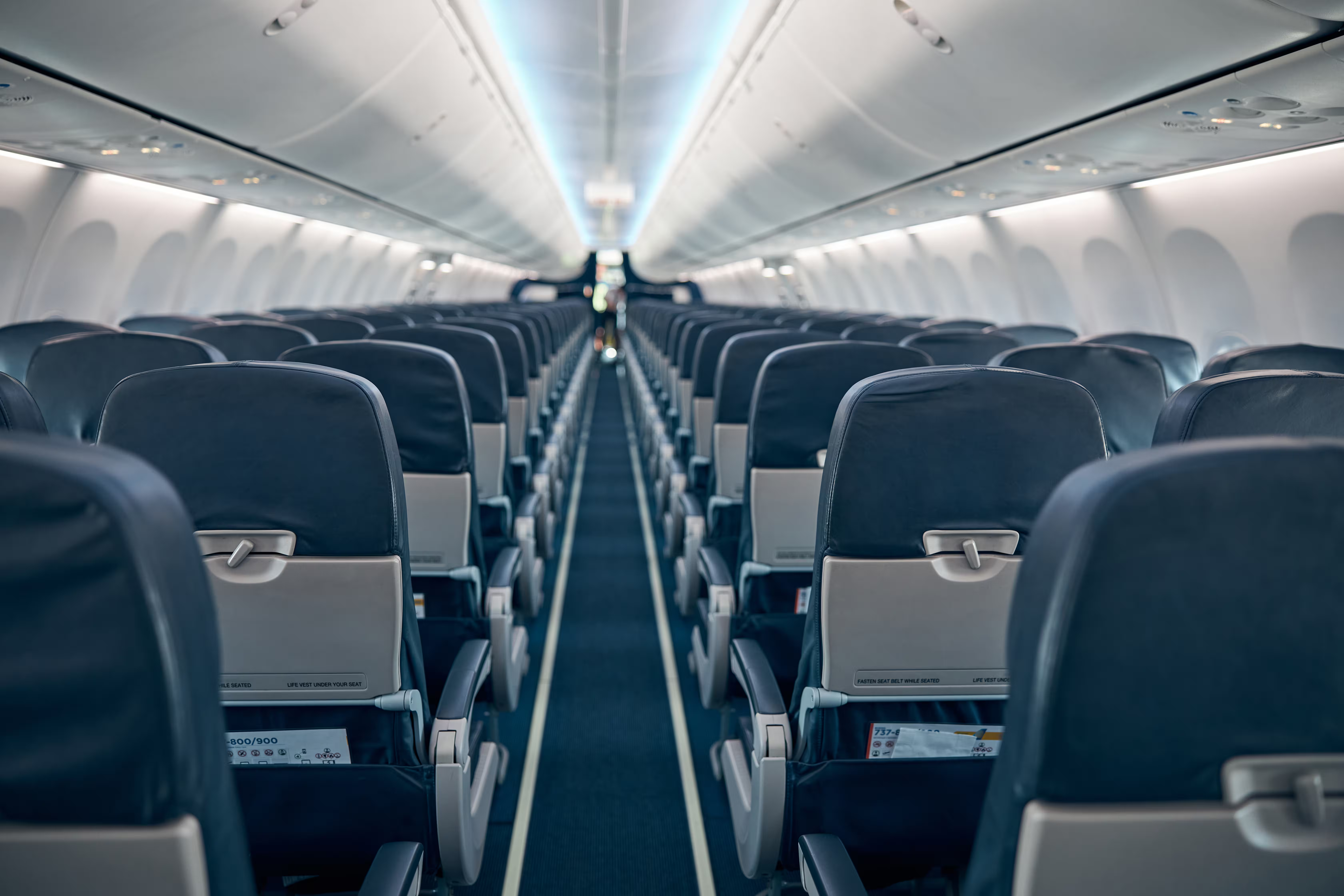
We have all once sat next to a guy on a flight to Chicago who'd paid $140 more than us. Same row. Same flight. Same tiny bag of pretzels. He wasn't thrilled about it either, once we mentioned what we paid.

Most of us grow up assuming a flight works like a movie ticket. One seat, one price. Book early or book late, the number shouldn't really change based on who's buying.

It's not true, and it's never been true. Behind every ticket you buy is something airlines call a fare class. It's the quiet reason a plane full of "economy" passengers can be sitting on ten or twenty different price tags at once.


One Seat, A Dozen Different Prices

Different Seat Price

Here's the part that trips people up: the cabin you sit in and the fare you paid are two different things.

Economy, premium economy, business, first — that's your cabin. It's the room you're sitting in.

Fare class is something else. It's an invisible label attached to your ticket that decides what kind of economy, or business, or first you actually bought. It shapes your refund rights, how many miles you earn, whether you get first crack at an upgrade, even whether you can pick your seat.

Airlines sort every seat on a plane into a handful of these fare buckets, and each bucket has its own price and its own rulebook. A single long-haul cabin might be running eight, ten, sometimes closer to twenty of these buckets at the same time. Same rows, same seats, same snack — very different terms.

This is really just one layer of a bigger pricing engine. If you want to go further down that rabbit hole, here's a look at how airline pricing algorithms decide what you see, and how travelers sometimes work around them. Fare class is the building block that makes all of it possible.

What Fare Class Actually Buys You

What Fare Class Buys You

Rather than memorizing letter codes, it helps to just think in plain terms. Every fare sits somewhere on a sliding scale between two ends:

  • • Cheap and rigid. Lowest price, but you're often locked out of changes, seat selection, and full mileage credit.
  • • Pricier and flexible. You pay more, but you can change plans freely, earn full miles, and get first pick at any upgrade that opens up.

Everything else sits somewhere in between.

A Rough Guide to Fare Classes

If Your Ticket Is...You Probably Get...Change Fees?
Full-fare economyBest mileage earning, upgrade eligible, seat pick includedUsually free
Mid-tier economyDecent miles, some flexibilitySometimes a fee
Deep-discount economyLowest price, fewer miles, no upgrade shotOften locked in
Basic economyCheapest fare, no seat choice, no changesNot changeable
Discounted businessSame lie-flat seat as full fare, tighter rulesUsually a fee

Where This Gets Interesting: Business Class

Business Class

Cheap business class fares and discounted business class fares are not a myth or a trick. They're a direct result of fare class. Airlines would rather sell a business seat at a lower price than fly it empty, so they quietly release a limited number of seats into a discounted business bucket.

The traveler who books one of those seats gets the exact same lie-flat bed, the same meal service, the same lounge access as the person who paid full price sitting right next to them. The only real difference is the fine print: change fees, cancellation rules, and how many miles land in their account.

This is where the letter codes matter a little, if you're curious. On United, a united fare class chart will show something like Y and B sitting at the top of economy with the most flexibility, while fare class on united upgrades and Polaris business seats run through their own separate codes. On Delta, the story's similar. Delta fare classes pair a letter code with a branded "experience" name, so a full-fare Delta One seat and a heavily discounted one can be, quite literally, the same seat.

Why It Doesn't Show Up the Same Way When You Search

Travel Agent

Search engines and airline websites show you a lot, but not everything. Some fares are published for anyone to find. Others are private, negotiated, or only released to certain booking channels.

That's part of why a price you saw yesterday can vanish today, or why a travel agent occasionally turns up something better than what showed up in your own search. It isn't magic. It's just a wider view of the same buckets.

Timing Changes Everything, Too

Time

Fare classes aren't fixed. Airlines open and close them constantly based on demand, how full a flight is running, and how far out you're booking.

Book early, and you often get first access to the cheaper, more flexible buckets before they disappear. Wait too long, and you might find only the pricier, more restrictive fare classes left, even on a flight that still has plenty of empty seats.

That's the whole idea behind figuring out the best window to book. Timing and fare class are two sides of the same coin.

Key Takeaways

  • • Fare class, not cabin class, is what really decides your price, flexibility, and miles.
  • • A single cabin can hold a dozen or more fare classes running at once, all priced differently.
  • • Discounted business class fares put you in the same seat as full-fare passengers, just with tighter rules.
  • • Not every fare shows up in a basic search. Some are private or channel-specific.
  • • Booking earlier usually means better access to the cheaper, more flexible fare classes before they run out.

Conclusion

Fare class is one of those quiet details most people never think about, until a seatmate mentions what they paid. At Triwize, sorting through it is part of the job. Our agents and our AI model both keep an eye on which fare classes are open, and when, so you're not just booking a seat, you're booking the right one.

Frequently Asked Questions

What's the difference between fare class and cabin class?

Cabin class is the physical section of the plane, like economy or business. Fare class is the specific ticket type within that cabin, and it's what controls price, flexibility, and mileage.

Why do two people in the same row pay different amounts?

They're almost always booked into different fare classes. One paid for flexibility and miles; the other locked in a cheaper, more restricted fare.

Can I find out my fare class before I book?

Usually, yes. It's on the fare details page, sometimes labeled "fare basis." If it's not obvious, your airline or travel agent can confirm it for you.

Are discounted business class fares actually worth it?

Often, yes, especially if you don't need full flexibility. You get the same seat and service as full-fare passengers, just with tighter change and refund rules.

Does fare class affect frequent flyer miles?

Yes, significantly. Two tickets on the identical route can earn very different amounts of miles depending on the fare class booked.

Does booking early guarantee a better fare class?

Not a guarantee, but it helps a lot. Airlines release limited seats into their cheapest, most flexible buckets first. Once those sell out, only pricier fare classes remain.

Related Blogs