


Travel Planning
Step-by-Step Guide to Planning a Multi-Country Europe Trip
By Editorial Team
August 24, 2026undefined min read
From the historical landmarks of Rome to the wonders of the world in Paris, and from the vibrant culture of Spain to the Alps of Switzerland, Europe is a beautiful tapestry of attractive countries.
Are you planning your dream European trip? Curate the best multi-country travel itinerary of Europe with the help of our step-by-step travel and planning guide. Say hello to European adventure and goodbye to the hassle and hustle of confused planning!
Passport Validity: Before applying for a Schengen visa or ETIAS, you must ensure that your passport has three months' validity beyond the departure date. An expiring passport will not be eligible for the visa.
Choose the Right Destinations
Assess Your Needs & Style of Travelling
Planning a vacation for a place so vast, the first and most crucial step is identifying all your trip needs beforehand, meaning, pen down your travel style, budget, and personal interests. With 46 diverse countries, Europe has something for everyone—history buffs can explore France, Italy, or Greece; party lovers may prefer Spain, Berlin, or the Netherlands; and nature enthusiasts might enjoy Switzerland or Croatia. Matching destinations to your preferences helps shape a fulfilling and personalised itinerary.
The choice of your interests will help you decide the countries and will influence everything else, such as flights, train passes, visa requirements, accommodations, and even the pace of your trip. Lastly, estimate your total budget by accounting for key expenses like airfare, local transportation, accommodation, meals, sightseeing, and other miscellaneous costs.
Finalise the Countries You Want to Visit

For instance:
- Western Europe route: France, Belgium, Netherlands, and Germany
- Southern Europe route: Spain, Portugal, Italy, and Greece
- Central Europe route: Austria, the Czech Republic, Hungary, and Poland
Choosing nearby countries minimises travel time and maximises experiences.
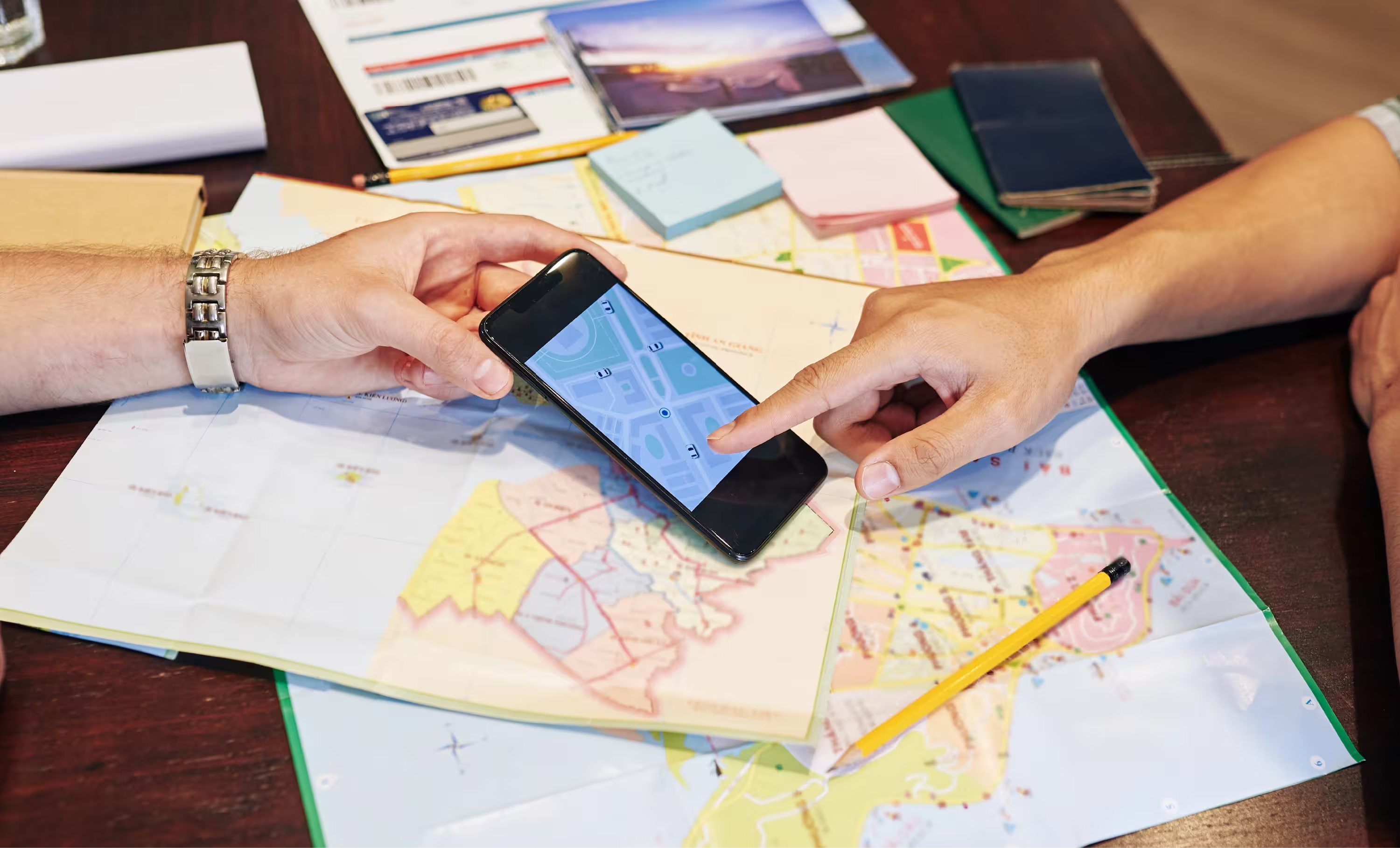
*Tip: *Use Google Maps to Plan Your Route and Assess Connectivity. To create a practical itinerary, plot your chosen cities on Google Maps. This helps visualise your journey and avoid backtracking.*
Decide Your Entry & Exit Cities with Visa Requirements

Seasonal Bookings: Choosing the time of travel makes a huge difference to your budget. Book flights and major attractions well in advance, especially if travelling during summer or holiday periods. Consider shoulder seasons, during spring and fall, for better deals and fewer crowds.
Accommodation options: If you are travelling on a budget, go for accommodations like hostels, Airbnb, or budget hotels. Staying outside city centres can offer good value stays and help you save a little without sacrificing convenience.
Transportation within the city: Most countries in Europe have impeccable public transport connectivity. Use public transport passes or multi-day travel cards in major cities to save on metro, tram, or bus rides. Walking or renting bikes in pedestrian-friendly cities like Amsterdam or Prague can also cut costs and enhance your experience.
Plan Sightseeing & Activities

For each country and destination, curate a rough plan of sights you want to visit and experiences you want to indulge in. Research well with the help of travel blogs and Google to find the most interesting activities to do and places to visit, and make an itinerary. Prioritise top attractions, local experiences, and free walking tours. Some experiences (like the Eiffel Tower, Vatican Museums, or Anne Frank House) require advance booking weeks or months ahead.Check the rates and tickets on different apps and book everything in advance for popular attractions.
Pack Smart & Keep All Travel Essentials

Before travelling to a new country, it's important to make a list of essential items you will need. First, obtain health insurance and pack a small first aid kit along with any medications you take daily. Make sure to include some small snack packets in your luggage, and remember to pack smartly since you won’t want to carry heavy bags around. Also, make digital and printed copies of all important documents, including your itinerary. Here are some travel essentials you should pack:
- Lightweight clothing with layers
- Comfortable shoes for walking
- Power adapter (Type C or F plugs)
- A small backpack or daypack
- Travel documents (passport, ETIAS, insurance)
The last step is, stay flexible and enjoy your vacation! To help you have the best European travel experience with ease and affordability, check out TriWize, the best affordable flight booking website. You can book multi-country flights from here and plan a memorable trip with no hassle.
Frequently Asked Questions
What are the most budget-friendly cities to travel to in Europe?
Some of the most budget-friendly cities in Europe include Budapest, Prague, Kraków, Lisbon, and Sofia. These cities offer affordable accommodations, cheap local food, and great public transport while being rich in culture and attractions.
What is ETIAS, and how do I apply for it?
ETIAS (European Travel Information and Authorisation System) is a mandatory online travel authorisation for travellers from visa-exempt countries. It costs a small fee and is valid for three years or until your passport expires.
How many countries should I include in my Europe trip?
It’s best to limit your trip to 3–5 countries, especially if travelling for 2–3 weeks. This allows you to explore each destination more deeply without feeling rushed.
Should I book everything in advance?
You do not have to book everything in advance. Only book major transportation from country to country and city to city, accommodations, and popular attractions in advance. For local experiences and restaurants, keeping some flexibility allows for spontaneous plans.
What apps are useful for a European trip?
Helpful apps include Google Maps, Rome2Rio (for transport planning), Omio, Skyscanner, Google Translate, and XE Currency Converter.