


Destination Guide
Top 10 Hidden Gems of Europe 2026
By Editorial Team
April 10, 2026undefined min read
- 1. Coastal Escapes – Discover hidden beaches and island adventures across Portugal, Italy, and Croatia’s coastline.
- 2. Historic Treasures – Explore Europe’s rich past in medieval towns, ancient forts, and charming stone-built villages like Riga and Setenil de las Bodegas.
- 3. Charming Cities – Wander vibrant, lesser-known cities with culture, architecture, street art, and authentic local lifestyles like in Monaco and Graz.
- 4. Nature Escapes – nwind in lush parks, green capitals, and fairy-tale villages surrounded by untouched natural beauty in Giethoorn and Lithuania.
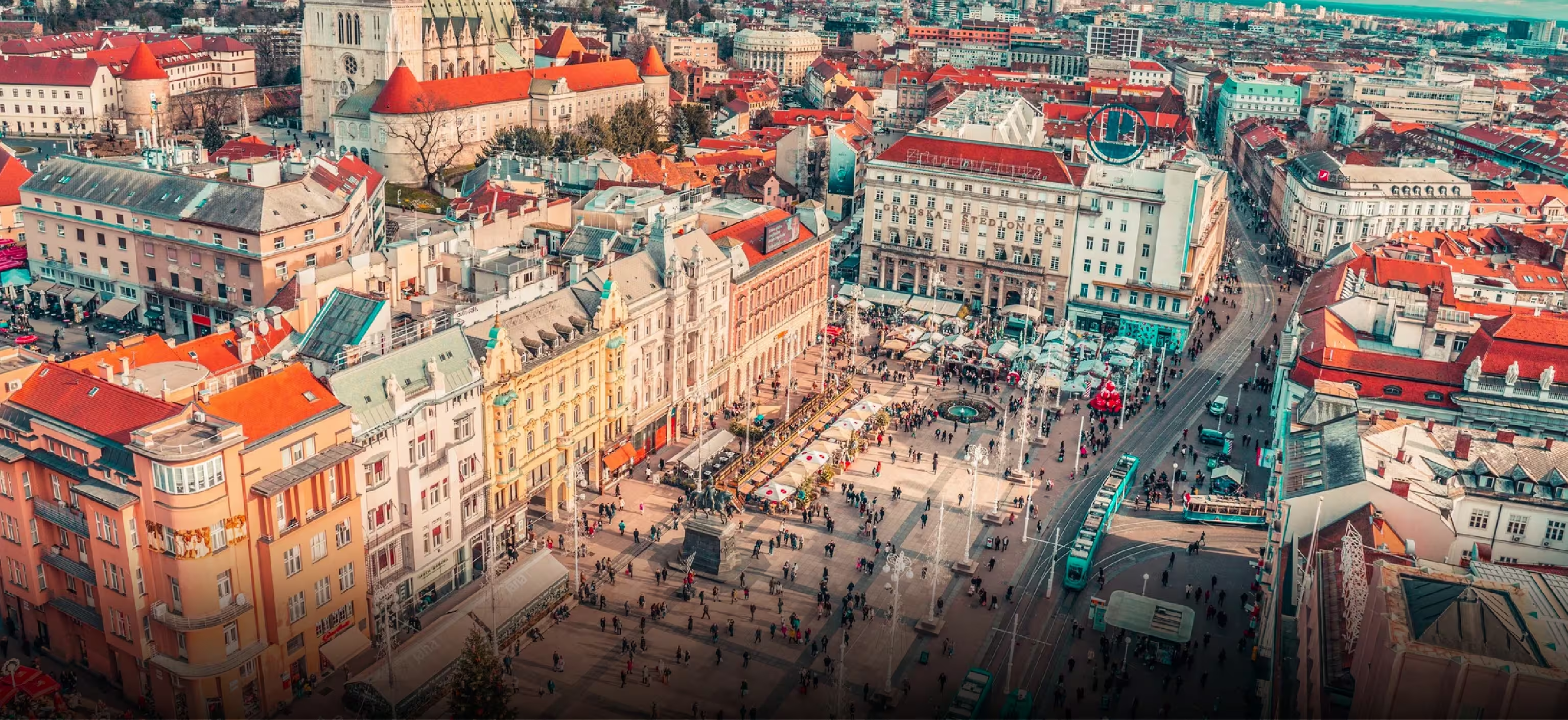
Croatia is one of the least highlighted countries of Europe, often overshadowed by its more famous neighbouring country named Greece. While the blue and white paradise, Greece, lures a big crowd of tourists every year, it has become overcrowded and commercialised. Whereas Croatia is equally captivating, with a more peaceful atmosphere and less-explored beautiful experiences. Located along the Adriatic coast, you can explore ancient cities and national parks like Krka National Park, famous for hiking and waterfalls, and Velebit Mountains National Park, known for diverse terrain and rock climbing.For cultural and historical exploration, the charming towns of Dubrovnik, Split, and Rovinj offer rich history, medieval architecture, and vibrant local culture without the overwhelming tourist rush. This beautiful country is home to some of the most pristine beaches, from the pebbled shores of Zlatni Rat to the hidden coves of the Pakleni Islands Croatia is one of the most underrated European destinations in Europe and has an amazing blend of beach bliss, scenic nature, and old-world charm, making it a perfect escape for travelers seeking serenity.
1. Best Time to Visit: May to September for pleasant weather and fewer crowds.
2. Duration: 7–10 days
3. Top Attractions: Dubrovnik Old Town, Krka National Park, Zlatni Rat Beach
The Netherlands is mostly famous for Amsterdam, known for its happening nightlife, rich history, and amazing art. But, many few know that this beautiful country is home to many amazing villages and cities nearby. Like Giethoorn, known as the ‘Dutch Venice’ or ‘Venice of the North’, is one of the most scenic villages in the Netherlands. There are no roads in the village, only idyllic canals. What makes Giethoorn special is its peaceful, car-free environment, where visitors travel by boat or stroll along quaint footpaths. Traditional thatched-roof cottages and wooden bridges give this town a fairy-tale charm, making visitors feel like they are in a fantasy land. You can take a day-trip to Giethoorn from Amsterdam and enjoy canal cruises, visit local museums, dine at waterfront cafés, and explore nearby nature reserves, making it a perfect escape for those seeking quiet and beauty. The best season to visit this hidden gem in Europe is April to September, when tulips are in bloom and summer offers pleasant weather for outdoor activities.
Best Time to Visit: April to September for tulips and canal cruises.
Duration: 1–2 days (ideal for a day trip)
Top Attractions: Canal Boat Ride, Museum Giethoorn ‘t Olde Maat Uus, Giethoorn Village Walks
*Travel Hack:* Visit early in the morning or on weekdays to avoid tourist crowds, and rent a whisper boat yourself instead of joining a guided tour — it’s quieter, cheaper, and lets you explore the canals at your own pace!
The travel dynamics have changed a lot in recent years. With growing global connectivity, more people are seeking offbeat landscapes and diverse cultures to explore. Vilnius in Lithuania is one of those places that makes exploration more amazing and greener. It was named the European Green Capital 2026, celebrating its commitment to eco-friendly initiatives. The land is 60% covered in green spaces, including the expansive Vingis Park and scenic Neris River trails. If you are a nature lover, this place is a paradise for you with a blend of Gothic, Renaissance, and Baroque architecture and sustainable practices like no plastic bags, biking and walking paths, and a healthier lifestyle. Engage with the local community through various events and festivals celebrating sustainability and culture. Vilnius exemplifies how urban living can harmoniously coexist with environmental consciousness, making it a must-visit destination in 2026.
Best Time to Visit: May to September for green spaces and festivals.
Duration: 3–4 days
Top Attractions: Vingis Park, Gediminas’ Tower, Užupis Art District
With winning the title of Hottest City Break 2026, Latvia’s capital, Riga, is one of the top hidden gems in Europe, with historic charm intersecting beautifully with modern vibes. This UNESCO World Heritage site has many medieval landmarks like the House of the Blackheads and Riga Cathedral that take you back in time. This city has a tantalising culinary soul. You can enjoy a variety of dishes from traditional Latvian dishes like rye bread and potato pancakes to modern fine dining places. The city is also rich in art, with vibrant markets and streets for art lovers. Wander along the Daugava River, explore the bustling Central Market, or relax in Bastejkalna Park. Apart from amazing experiences, the city is pretty affordable and has rich cultural charm, offering an unforgettable experience for curious travellers.
Best Time to Visit: May to September for cultural events and mild weather.
Duration: 3–5 days
Top Attractions: House of the Blackheads, Riga Central Market, Bastejkalna Park
*Travel Tip:* Use the Riga City Card for free or discounted access to major attractions, public transport, and guided tours — it’s a budget-friendly way to explore more while saving time and money!
With winning the title of Hottest City Break 2026, Latvia’s capital, Riga, is one of the top hidden gems in Europe, with historic charm intersecting beautifully with modern vibes. This UNESCO World Heritage site has many medieval landmarks like the House of the Blackheads and Riga Cathedral that take you back in time. This city has a tantalising culinary soul. You can enjoy a variety of dishes from traditional Latvian dishes like rye bread and potato pancakes to modern fine dining places. The city is also rich in art, with vibrant markets and streets for art lovers. Wander along the Daugava River, explore the bustling Central Market, or relax in Bastejkalna Park. Apart from amazing experiences, the city is pretty affordable and has rich cultural charm, offering an unforgettable experience for curious travellers.
Best Time to Visit: May to September for cultural events and mild weather.
Duration: 3–5 days
Top Attractions: House of the Blackheads, Riga Central Market, Bastejkalna Park
A town built on cliffs, Setenil de las Bodegas is an underrated European destination. This unique town is usually overshadowed by the famous cities like Madrid, Barcelona, and Ibiza in Spain. Setenil is famous for its unique architecture, where the homes are built into rock overhangs. Beyond this architectural wonder, the town boasts historic attractions like the Church of La Encarnación and the Nazari Castle, a former 13th-century Arabian fortress. Just 11 miles from Ronda, it’s easily accessible yet remains delightfully under the tourist radar. You can also explore the iconic streets, Calle Cuevas del Sol & Calle Cuevas de la Sombra, covered by massive rock formations, or enjoy a romantic time with your partner on Calle Herrería street, adorned with the "Bésame en este rincón" plaque, inviting couples to share a kiss. Truly a hidden gem worth visiting in Europe.
Best Time to Visit: March to June or September to November for pleasant weather.
Duration: 1–2 days
Top Attractions: Calle Cuevas del Sol, Nazari Castle, Church of La Encarnación
The Aeolian Islands, a volcanic archipelago off the northern coast of Sicily, are one of the most stunning yet lesser-known destinations in Italy. It is home to seven different islands named Lipari, Salina, Stromboli, Vulcano, Panarea, Alicudi, and Filicudi, each offering a unique charm of its own. From swimming, snorkelling, to hiking adventures, these islands have everything! You can hike up Stromboli to witness its glowing eruptions or soak in Vulcano’s natural mud baths. The islands also boast charming villages, delicious seafood, and an authentic, laid-back vibe. With few large resorts and a focus on sustainable tourism, the Aeolian Islands offer a raw, untouched beauty that feels worlds away from mainland Italy. Plan your trip to these islands during the spring or autumn season for a pleasant atmosphere for outdoor activities.
Best Time to Visit: May to October for hiking, beaches, and boat trips.
Duration: 5–7 days
Top Attractions: Stromboli Volcano, Vulcano Mud Baths, Lipari Island Town
Located in the beautiful French Riviera, Monaco is a small but glamorous city often overlooked due to its placement in Europe. Add this city to your offbeat Europe travel 2026 list and explore this culturally rich and luxurious sovereign city-state. Monaco is known for its unique blend of old-world charm and modern opulence. Explore the picturesque streets of Monaco-Ville, the old town perched on “The Rock,” where the Prince’s Palace and Saint Nicholas Cathedral stand. Don't miss the Oceanographic Museum, famed for its marine exhibits and cliffside views. Wander through the exotic gardens or catch the changing of the guard. For a quieter experience, visit Larvotto Beach or explore Fontvieille’s marina and parks. Monaco is walkable, rich in history, and surprisingly serene, making it a perfect, lesser-known gem for curious explorers in search of Europe’s hidden delights.
Best Time to Visit: April to June or September to October for mild weather and fewer crowds.
Duration: 2–3 days
Top Attractions: Prince’s Palace, Oceanographic Museum, Larvotto Beach
Graz is the second-largest city in Austria, but it is still one of the lesser-known gems to tourists. The city offers a relaxed and authentic experience far from the typical tourist trail. Blending Renaissance, Baroque, and modern architecture, the city exudes a unique charm that’s both historic and contemporary. One of the best places to explore in the city is its well-preserved Old Town with winding alleys, hidden courtyards, and iconic landmarks like the Clock Tower (Uhrturm) on Schlossberg hill, which offers panoramic views of the city. The futuristic Kunsthaus Graz museum adds a modern twist, while Eggenberg Palace reveals a historical grandiose. Graz is also a UNESCO City of Design, with lively art scenes and quirky boutiques. It is not yet commercialised by tourist crowds and is a perfect place for travellers seeking good food, cultural richness, art, and a more intimate European escape.
Best Time to Visit: May to October for warm days and cultural events.
Duration: 2-4 days
Top Attractions: Schlossberg & Clock Tower, Eggenberg Palace, Kunsthaus Graz
Lisbon offers an authentic European experience that feels refreshingly less touristy than cities like Paris or Rome. Despite its growing popularity, Lisbon retains a laid-back charm with its hilltop neighbourhoods, vintage trams, and cobbled streets echoing with fado music. What makes Lisbon special is its perfect mix of tradition and modern creativity, from tiled facades and historic cafés to contemporary galleries and street art. Visit the Belém district, which exudes rich maritime history, home to Jerónimos Monastery and the iconic Tower of Belém. For a more local vibe, head to the LX Factory, a vibrant space filled with shops, cafés, and art. The city's mild climate, soulful cuisine, and welcoming locals make it one of the secret places to visit in Europe for those craving culture, history, and authenticity without the crowds.
Best Time to Visit: March to May or September to October for great weather and fewer tourists.
Duration: 3–5 days
Top Attractions: Belém Tower, Alfama District, LX Factory
*Travel Hack:* Buy a 24-hour public transport pass (available at metro stations) that includes the iconic Tram 28, elevators, buses, and even some trains — it’s the most affordable and scenic way to explore Lisbon’s hilly charm without wearing out your legs!
Frequently Asked Questions
When is the best time to visit these hidden spots in Europe?
Typically, Europe has many different weathers and seasons, but the best time is generally between April and October, depending on the region. Spring and early autumn offer pleasant weather, fewer crowds, and ideal conditions for outdoor activities like hiking, beach visits, and city exploration.
Do hidden gems have good connectivity and accommodation options?
Yes! While they are less touristy, most of these destinations are well-connected by train, bus, or short flights and offer a range of accommodations from boutique hotels to local guesthouses and eco-stays.
Are these destinations family-friendly or better suited for solo/couple travellers?
Most of these hidden gems cater to a wide range of travellers, including families, couples, and solo explorers. Places like Giethoorn, Lisbon, and the Aeolian Islands are especially family-friendly, while spots like Setenil de las Bodegas or Monaco offer romantic or solo travel appeal.
How can I travel sustainably while visiting these hidden European gems?
Sustainable travel is easier than ever in Europe. Use public transport, stay in eco-certified accommodations, carry a reusable water bottle, and support local businesses by eating at family-run restaurants and buying handmade souvenirs. Cities like Vilnius, Graz, and Lisbon also have strong eco-initiatives, making them ideal for low-impact travel.
Will language be a barrier in these offbeat destinations?
While local languages are spoken, English is widely understood in most tourist-friendly areas, especially in restaurants, hotels, and attractions. Learning a few local phrases is appreciated and can enhance your experience, but it’s rarely a barrier to smooth travel.