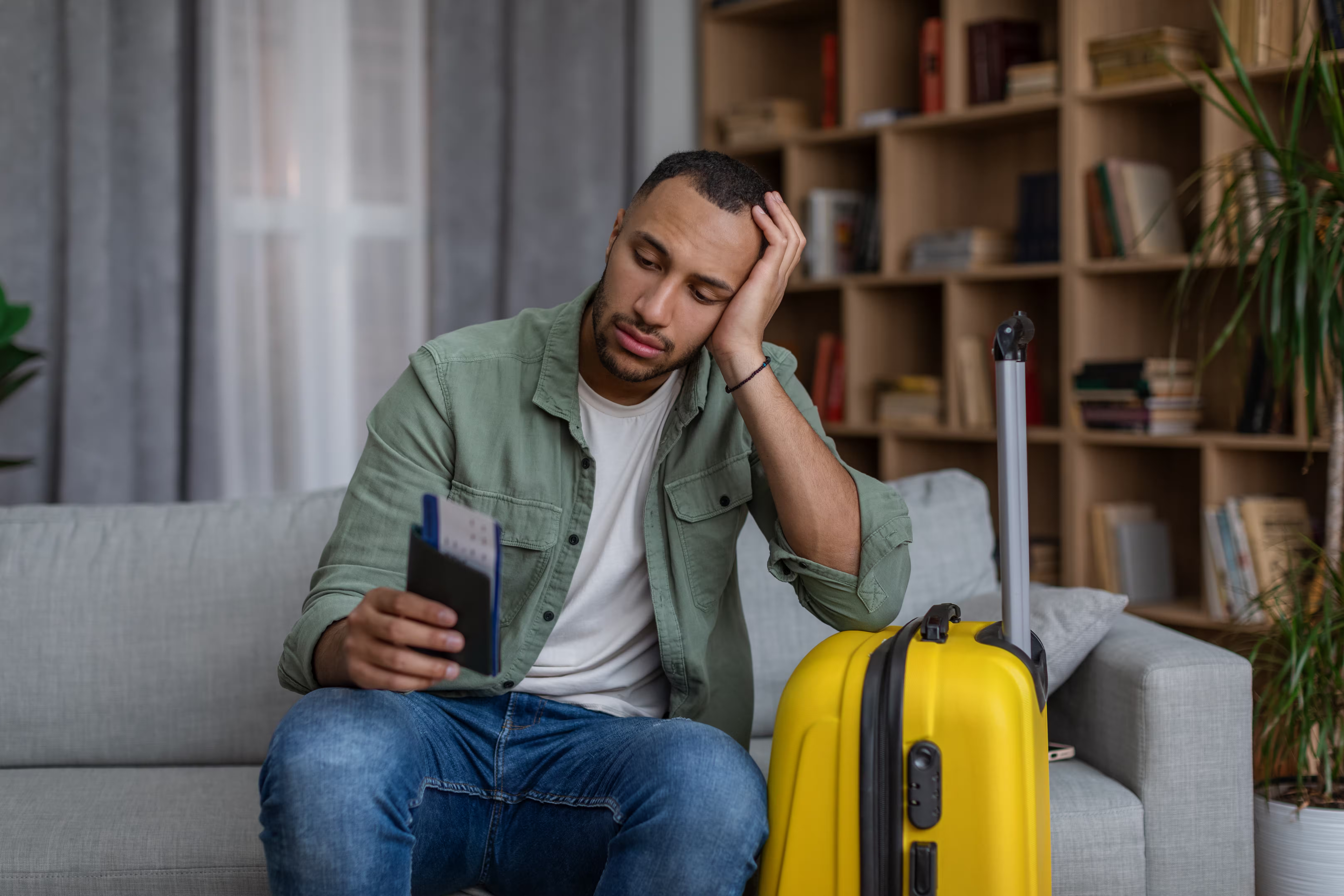



Travel should feel exciting. But for many people, the stress begins long before they reach the airport.
It starts with a small question: Where should I go? Then come ten browser tabs, changing fares, baggage rules, hotel choices, visa doubts, weather worries, airport transfers, payment concerns, and the quiet fear that one missed detail could ruin the whole trip.
That is what travel anxiety often looks like. It is not always fear of flying. Many times, it is fear of uncertainty. Am I overpaying? Did I book the right flight? What if the airline changes my schedule? What if I miss a document? Who will actually help me if something goes wrong?
That last question matters more than most travel platforms admit.
A 2025 YouGov travel stress report found that 70% of US vacation bookers find the booking experience stress-inducing. CivicScience reported in 2024 that 71% of US adults who make travel arrangements find planning and booking at least somewhat stressful. Expedia has also reported that air travel is a leading source of stress for 55% of Americans. The point is simple: the trip may be fun, but getting there often feels harder than it should.
Triwize is built around that exact problem. It combines smarter flight search, NDC-enabled access, multiple consolidators, transparent pricing, personalized itinerary support, and real human agents who can help from search to booking and beyond. Not just when everything is smooth. Also when plans change.
Key Takeaways
- • Travel anxiety often comes from uncertainty, not travel itself.
- • Most travel stress shows up during planning, booking, document checks, and disruptions.
- • Too many choices can make travelers feel less confident, not more empowered.
- • Transparent pricing helps people feel more in control before they pay.
- • Personalized itineraries reduce planning overload and make trips feel more realistic.
- • Triwize combines technology with human guidance, so travelers are not left alone with complicated decisions.