Triwize Flights
Home/Blogs/Visa Rules, Health Declarations & Proof of Onward Travel: What Fall Travelers Miss
Visa Rules, Health Declarations & Proof of Onward Travel: What Fall Travelers Miss
Travel Documents & VISA

Visa Rules, Health Declarations & Proof of Onward Travel: What Fall Travelers Miss

By Editorial Team
September 11, 202610 min read

Fall is a strange sweet spot for travel. Crowds thin out. Prices drop. Kids go back to school and suddenly a Tuesday flight to Lisbon looks a lot more appealing.

And that's exactly when people get sloppy about paperwork.

We've seen it happen at a gate in Denver. A traveler with a one-way ticket to Lima, no return flight booked, no bus ticket, nothing that showed she planned to leave the country. The airline agent wouldn't budge. She missed the flight standing right there, boarding pass in hand.

That's proof of onward travel. It's one of three things that quietly derail more fall trips than lost luggage or bad weather ever will. The other two: visa rules that changed since your last trip, and health declarations that may or may not apply depending on where you're headed and what's going on in the world that week.

None of this is complicated once you know it. But almost nobody explains it clearly, and airport counters are a terrible place to learn.

Why Fall Trips Get Extra Messy

Young traveler holding a suitcase ready to book last minute fall travel

Shoulder season pulls in a different kind of traveler. People who book last minute because the fare finally dropped. People combining a work trip with a few personal days. People going somewhere they've never been, without the research habits of a seasoned backpacker.

That's a recipe for missed details. And 2026 hasn't made it easier. A handful of rules shifted this year, some quietly, some not.

Here's the short version before we go deep.

• REAL ID enforcement got real. Since February 2026, travelers without a compliant ID face extra screening and a $45 fee at TSA checkpoints.

• ESTA now costs $40.27, almost double what it cost before September 2025.

• The UK's Electronic Travel Authorization has applied to U.S. visitors since early 2025, and plenty of travelers still don't know they need it.

• Europe's ETIAS system, expected to launch this year, has been delayed again. Nobody has a firm date. More below.

• Digital arrival cards are now standard in a growing list of countries: Thailand, Malaysia, South Korea, India, New Zealand, and more.

• Health declarations haven't disappeared. They've gone dormant in some places, ready to switch back on with almost no warning.

Let's break these down one at a time, starting with the one that trips up domestic travelers first.

The Domestic Trap: REAL ID and Passport Validity

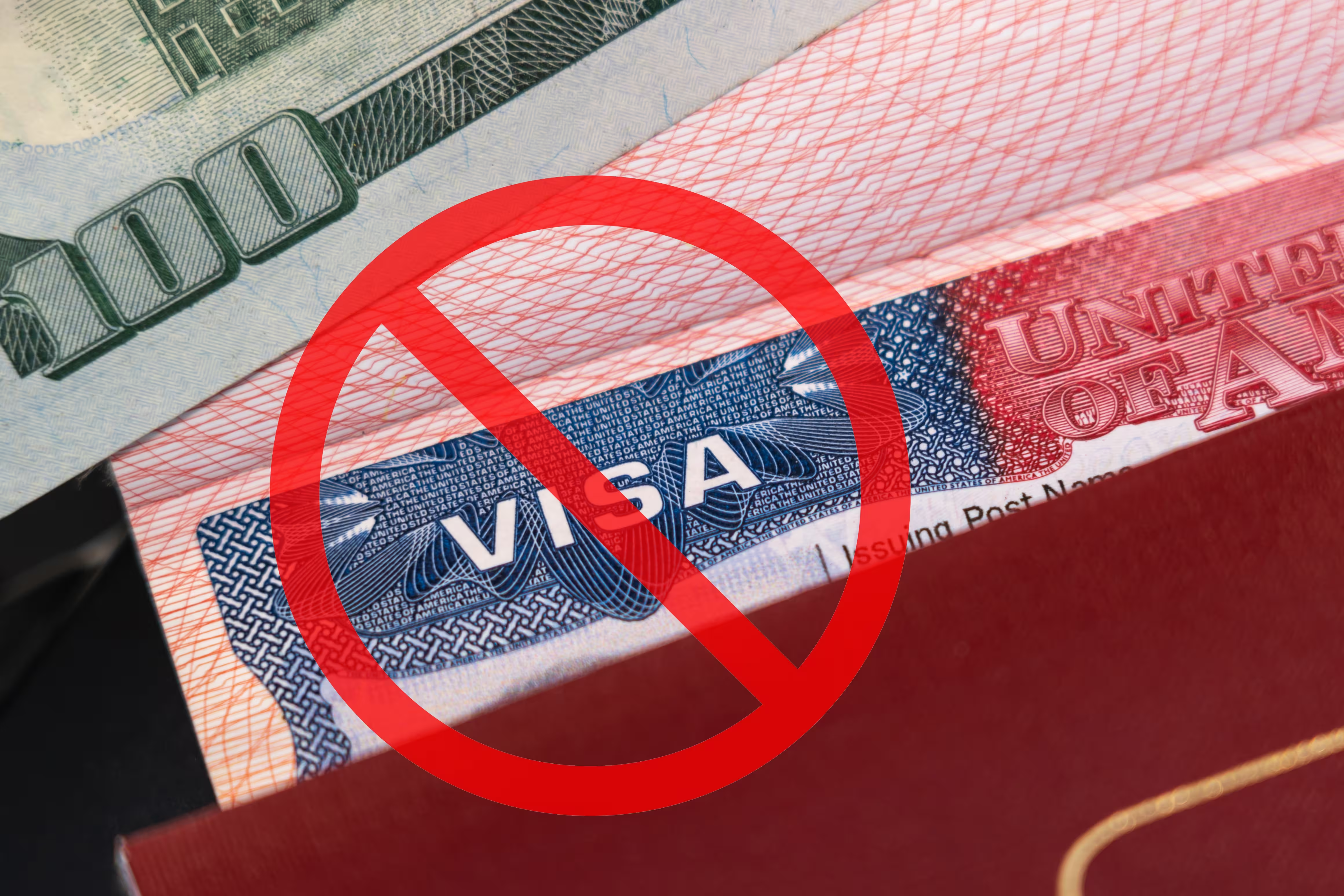
Approved visa stamp in a passport showing passport validity

Before you even leave the country, there's a document check waiting at your home airport.

REAL ID enforcement began in May 2025, but the real teeth came later. Since February 1, 2026, anyone flying without a REAL ID-compliant license, or an accepted alternative like a passport, can be pulled into secondary screening and charged a $45 fee. It's not just annoying. It can eat the buffer time you were counting on to make your connection.

The easiest fix: if you already have a passport, bring it. It works at every TSA checkpoint, star or no star.

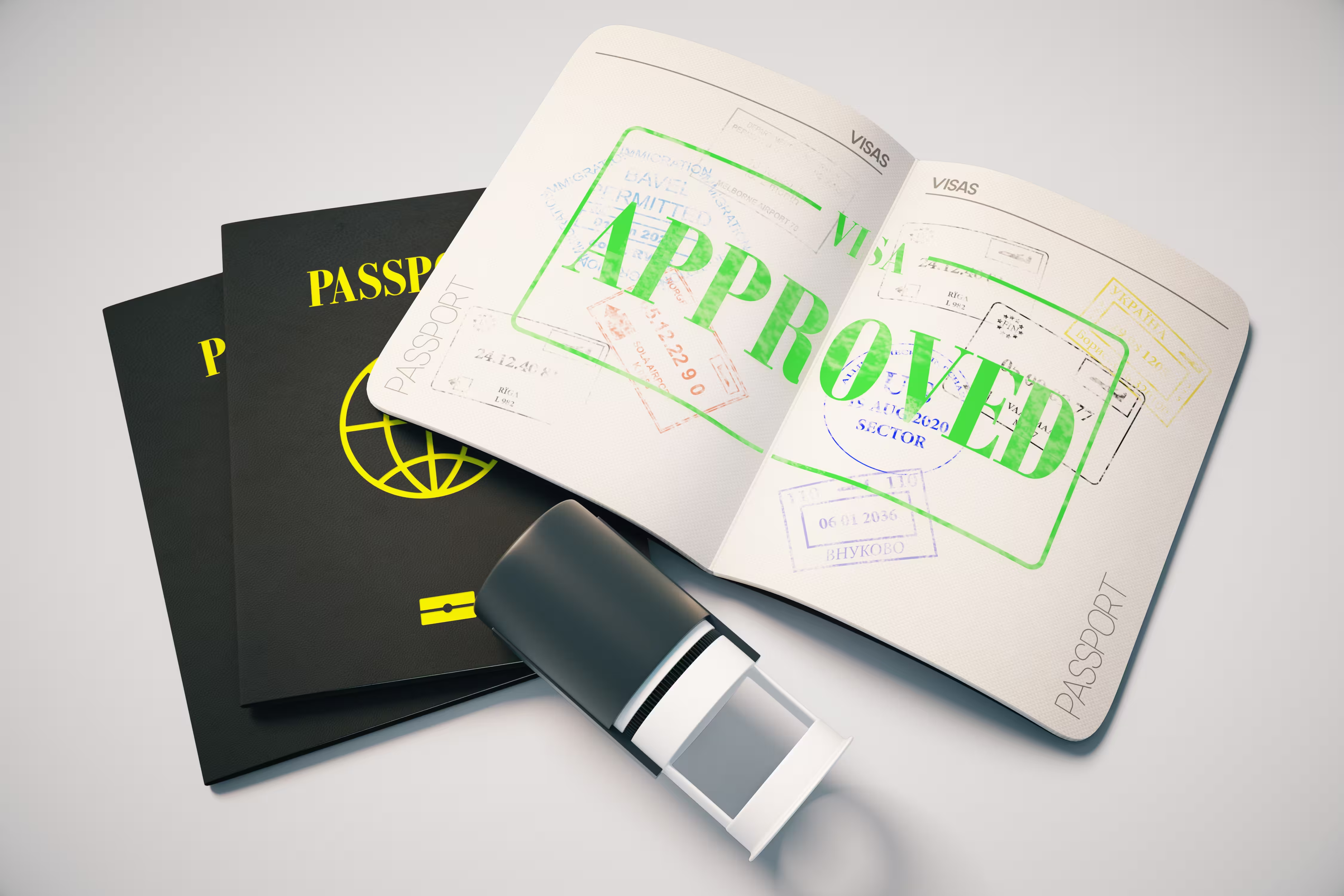
Then there's the rule almost nobody checks until it's too late: passport validity. More than 70 countries require your passport to stay valid for at least six months beyond your entry date. Not your return date. Your entry date. If your passport expires in five months and you're heading to Thailand or Indonesia, you may not board the flight at all.

Some destinations are more forgiving. Canada, Mexico, and the UK generally just need your passport valid through the length of your stay. Schengen countries want three months past your planned departure. But "generally" is doing a lot of work in that sentence, and airline check-in staff don't always know the exceptions. When in doubt, six months of cushion solves almost every version of this problem.

Visa Rules: Quieter Than You'd Expect, Still Capable of Ruining a Trip

Visa rules and entry restrictions for fall travelers

Visa requirements rarely make headlines the way flight delays do. That's what makes them dangerous. Nobody's telling you at 6 a.m. that the country you're flying to changed its entry rules last spring.

A few things worth knowing before you book anything this fall.

The UK now requires an Electronic Travel Authorization for most visa-exempt visitors, Americans included. It's not a visa, exactly. It's closer to a background check you complete online before you fly. Miss it, and you won't board.

Europe's ETIAS is still not live. It was supposed to launch by the end of 2026. As of this writing, the EU has pulled that date from its own website and says a new one will come several months before launch. Realistic guesses point to sometime in 2027. Translation: for now, U.S. travelers still enter the Schengen Area the old way, no pre-authorization needed. That could change with little notice, so it's worth a quick check before you fly, not after you've booked.

Digital arrival cards have quietly become the norm. Thailand, Malaysia, India, South Korea, and New Zealand all now expect travelers to submit an online form, sometimes days before arrival, sometimes within 72 hours. These aren't visas. They're closer to a customs declaration that used to be a paper slip handed out on the plane. Skip it, and you're the person holding up the immigration line while everyone reloads the website from the airport WiFi.

ESTA got more expensive. If your trip involves flying to the U.S. under the Visa Waiver Program, or you're hosting family who is, the fee jumped from $21 to $40, then ticked up again to $40.27 with a routine inflation adjustment. It won't break anyone's budget, but it catches people who last applied years ago and remember a much smaller number.

Fall 2026 Document Snapshot

Document — What Changed — Who It Affects

• REAL ID — Full enforcement + $45 fee for non-compliant ID since Feb 1, 2026 — All U.S. domestic flyers 18+

• Passport validity — 70+ countries require 6 months validity past entry date — Anyone flying internationally

• UK ETA — Required for most visa-exempt visitors since early 2025 — U.S. travelers visiting the UK

• ETIAS (EU) — Delayed past 2026, no confirmed launch date — U.S. travelers visiting Schengen countries

• Digital arrival cards — Now standard in Thailand, Malaysia, India, South Korea, New Zealand — Travelers to those destinations

• ESTA fee — Risen from $21 to $40.27 — Visa Waiver Program visitors to the U.S.

Health Declarations: Not Gone, Just Waiting

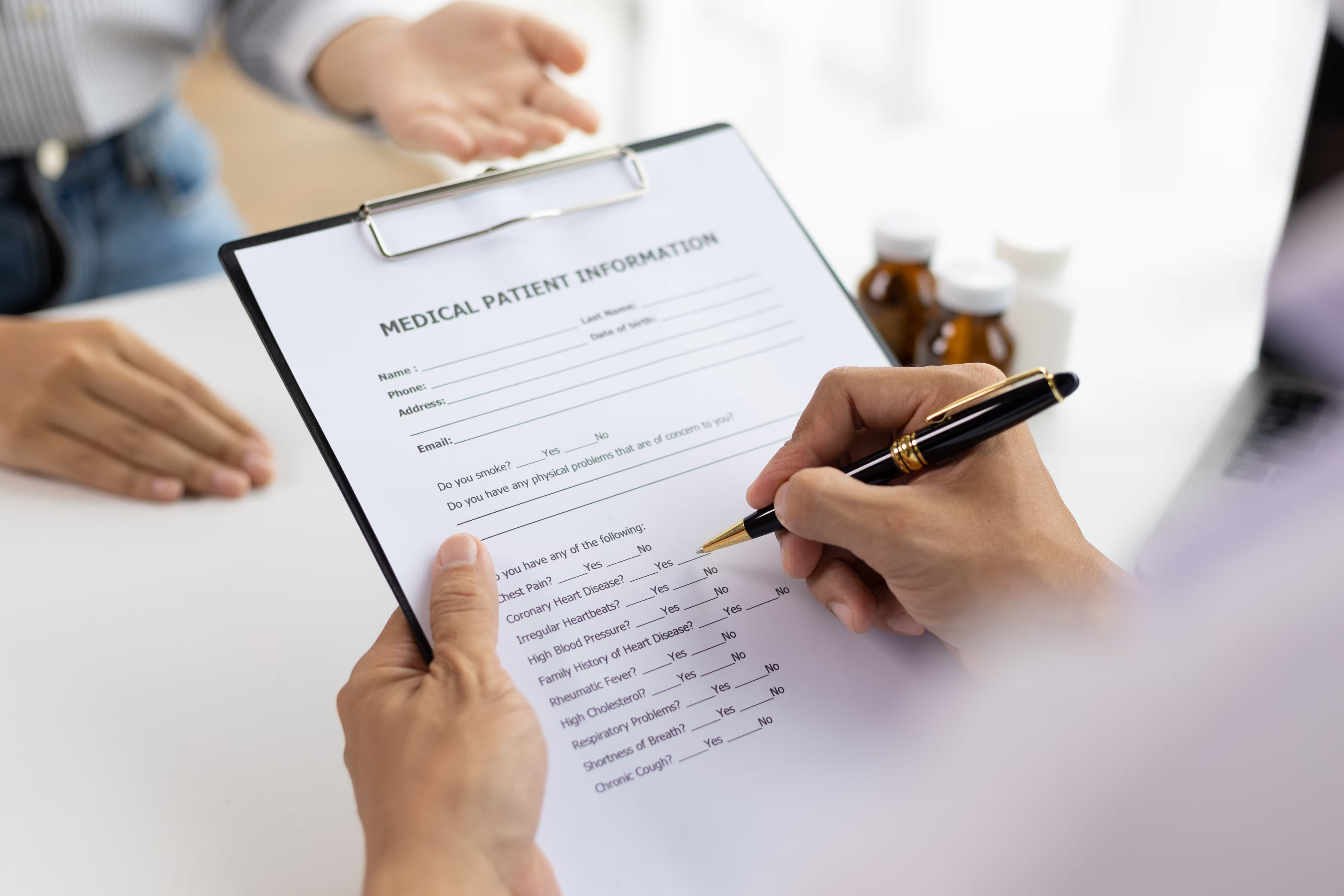
Doctor examining a patient, representing travel health declarations

Here's the part people misunderstand most. Health declarations didn't vanish when COVID-era mandates lifted. Several countries kept the legal framework in place. They just switched the requirement off, ready to switch it back on.

Vietnam is a clean example. A 2026 decree created a standing health declaration system for anyone entering, leaving, or transiting the country. For most of the year, it hasn't been active for the general public. But under the same law, the Ministry of Health can turn it on for specific situations, tied to whatever disease risk is on the table at the time, with a seven-day window to comply.

That's the pattern worth remembering: the rule exists even when it's dormant. If there's a health scare anywhere near your destination when you're packing, check the entry requirements again, even if you checked them last month. A form that wasn't required in June can absolutely be required in October.

Proof of Onward Travel: The One Nobody Explains Well

Woman at the airport checking her travel ticket as proof of onward travel

This is the big one. It's also the most misunderstood.

Proof of onward travel is documentation showing you plan to leave a country before your permitted stay runs out. Usually that's a return flight home. Sometimes it's a ticket onward to your next destination. Immigration officers care less about where you're going next and more about the fact that you have somewhere to be.

Why does this exist? Two reasons, and they're not quite the same reason.

Immigration authorities want proof you're not planning to overstay. Airlines have their own motive, and it's blunter: if they fly you somewhere and you get turned away at the border, they're often on the hook for flying you back, sometimes at a real financial cost. So airlines check this even in countries where the government technically doesn't require it. That's why you can get stopped at check-in in your home city, long before you ever reach a foreign passport counter.

Who Actually Checks, and How Strictly

Enforcement isn't uniform. Some countries check every single traveler. Others check occasionally, mostly based on how the traveler answers a few questions. Here's roughly how it breaks down heading into fall 2026.

Enforcement Level — Examples — What to Expect

• Strict, consistent checks — Philippines, Costa Rica, Thailand, Indonesia (Bali), Peru, New Zealand — Treat it as a guaranteed check, both at the airline counter and at immigration

• Moderate, situational — Colombia, Brazil, Mexico, Vietnam, Malaysia, Japan — Airlines usually check; immigration checks depend on your answers and profile

• Rare but consequential — USA, UK, Schengen Area, Australia — Checks are inconsistent, but denial or a tough conversation is still possible

What Actually Counts as Proof

You don't need a fully paid, nonrefundable return ticket sitting untouched in your inbox. A few things work:

• A confirmed return or onward flight, paid or refundable

• A bus or train ticket out of the country, where that's a realistic option (common across parts of Europe, Central America, and Southeast Asia)

• A documented, plausible itinerary, especially useful if an officer asks follow-up questions

What doesn't work as well as people hope: a screenshot of a flight you never actually booked, or a hold that expired before you left home. Airlines can verify a real reservation in seconds now. A fake one falls apart just as fast.

Don't Fake It

Serious young man frowning, warning against faking proof of onward travel

There are services online that will sell you a temporary flight reservation just to show at the counter. Some travelers swear by them. Others describe the exact opposite experience: a reservation that doesn't hold up under scrutiny, or worse, a hard conversation with an immigration officer about presenting false documents.

The safer route, honestly, is boring: buy a refundable ticket, or one you're genuinely willing to use, and cancel or change it if your plans shift. It costs a little more up front, but it buys peace of mind and saves you the gamble at the counter.

Key Takeaways

• Fall's lower prices and lighter crowds attract more last-minute, less-researched bookings, which is exactly when document mistakes happen

• REAL ID enforcement is active. Bring a passport if your ID isn't compliant

• Passport validity matters more than people think. Six months of cushion beyond your entry date solves most problems

• ETIAS is delayed, likely into 2027, but it's worth checking again close to your travel date

• Digital arrival cards are now common across Asia and the Pacific. Fill them out before you fly, not at the gate

• Health declarations can reactivate with little notice, tied to disease risk at the time

• Proof of onward travel can be a return ticket, an onward ticket, or a bus or train booking. It doesn't need to be a fully committed, nonrefundable flight

• Faking proof of onward travel is a real risk, not a shortcut

The Bottom Line

None of this is meant to scare you off a fall trip. It's meant to save you the version of the story where you're standing at a gate, watching your flight board without you, wondering what a stranger with a clipboard just decided about your plans.

Check the passport. Check the visa or arrival card. Have something in hand that says where you're headed after this stop. That's really it.

If it feels like a lot to track across a single itinerary, that's part of what a good travel agent is for. It's the kind of thing Triwize flags before you pack, not after you've already found out the hard way.

Frequently Asked Questions

Do I need proof of onward travel if I already have a tourist visa for that country?

Usually, yes. A visa proves you're allowed to enter. It doesn't automatically prove you plan to leave on time. Some countries still ask for both, especially at the airline check-in counter rather than at immigration.

Is a hotel booking enough proof of onward travel?

No. A hotel booking shows where you're staying, not that you're leaving. Immigration and airline staff are specifically looking for a way out of the country, not a way to stay comfortably inside it.

What happens if I show up without proof and get stopped?

Outcomes vary. Some airlines will let you buy a ticket on the spot before boarding. Others simply won't let you fly that day. At immigration, you may be questioned, sent to secondary screening, or in rare cases, denied entry and put on a return flight.

I'm traveling long-term with no fixed plans. What are my options?

A refundable ticket is usually the cleanest solution. Book something you're willing to actually use, and change or cancel it once your real plans firm up. A cheap onward bus or train ticket in regions where that's realistic works too.

Does REAL ID affect international flights?

Not directly, since a valid passport always works for international travel. But if you're connecting through a domestic flight to reach your international departure city, you'll still need TSA-acceptable ID for that leg.

How far in advance should I check a country's entry requirements?

Close to your departure date, not just when you book. Rules like health declarations and digital arrival cards can change with little warning, and some arrival cards only accept submissions within a narrow window before you land, often 72 hours.

Related Blogs