


Travel Planning
When is the Best Time to Visit Europe
By Editorial Team
January 4, 2026undefined min read
The travel motto everyone should live by is, "Take a trip when you feel like it!" Since everyone's life and jobs have varied travel windows, we get a limited time to travel. With the help of the internet and many great blogs, it has become easier to pin down a few options and look for the best season to visit any country in Europe. Every season has its perks and disadvantages, and according to the travel diaries, the seasons are divided into peak, shoulder, and off-season. Let’s resolve your issue of “when is the best time to travel to Europe”, and see which destinations are great in each season with pros and cons!
Peak Season
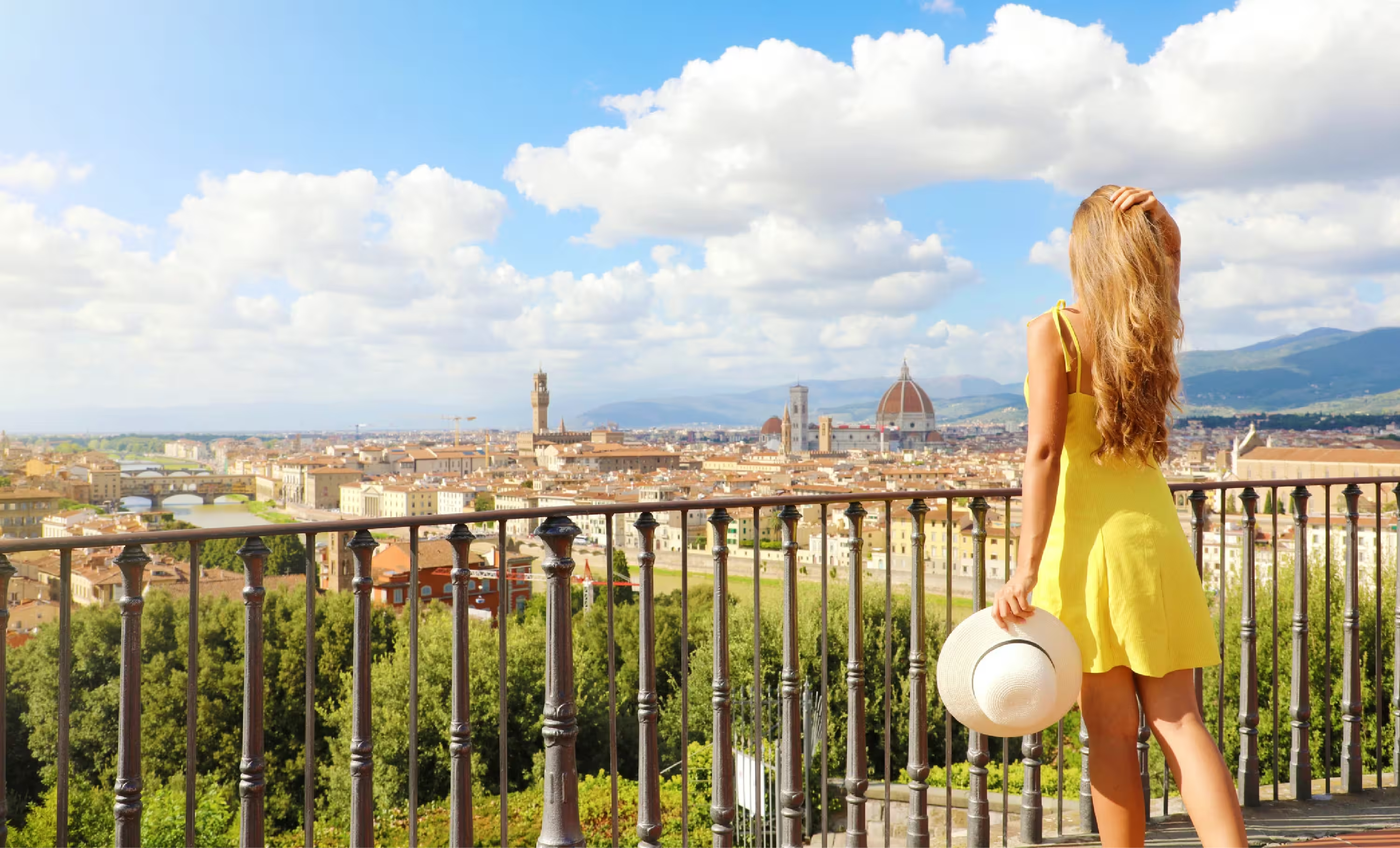
Being very diverse in every sense, Europe’s weather is also very diverse and varied in different countries, giving them a unique charm and elegance. The summer season is considered the peak season in Europe, ranging from June to August. Travelling during this time will seem like a peak of vibrant atmosphere, sunny days, and a little bit of warm weather.
Pros:
- 1. First and foremost is the pleasant weather to enjoy is European summer. Mild warm and sunny, make it the best time to visit Europe, roam around and indulge in outdoor activities.
- 2. The perfect season to enjoy cultural and music festivals, events, and a lively atmosphere in general.
- 3. With longer daylight hours, you can explore more attractions and have the best experiences with extended opening hours.
- 4. During the peak season, the biggest advantage to a tourist is that all attractions and business places are open
Cons:
- 1. Be ready to face a lot of crowds of tourists, especially at popular attractions.
- 2. Peak season takes the prices of everything to their peak. From accommodations to attractions, be ready for some extra expenses due to higher prices.
- 3. With bigger crowds come longer wait times. Expect longer waiting lines at all attractions and restaurants.
- 4. Some places can be a little hotter, and roaming around may seem irritating due to too much heat.
Tips:
- 1. Make advance bookings for flights, popular attractions, and accommodations in your itinerary to save money as well as queue time.
- 2. Pack breathable clothes, hats, and sunscreen as summer essentials!
- 3. Consider taking day trips to nearby towns and off-beat places to avoid crowds, while enjoying European vibes.
- 4. Explore free and local attractions like parks, walking tours, and cultural events.
Places to Visit: Italy, Spain, Greece, France, Portugal, and Scandinavia
Shoulder Season

Typically, the shoulder season swings between the peak season and the off-season. It falls between the months of April and October. It is considered among the good “Europe travel seasons”, because of fewer crowds and decent weather.
Pros:
- 1. The weather is just shifting from pleasant to a little colder, but it is good to enjoy a few outdoor activities and attractions.
- 2. Comparatively, prices are lower in the shoulder season, so you can plan a good medium-budgeted trip.
- 3. Fewer crowds make it great to enjoy popular attractions without getting disturbed.
Cons:
- 1. The rains during the shoulder season might become a hindrance for you to enjoy attractions and activities to the fullest.
- 2. Some attractions might have reduced opening hours, interrupting your plans, or some attractions are only seasonal, so they might be closed as well.
- 3. You can feel warm during the day, but the weather can change instantly, making it a little chilly at nighttime.
Tips:
- 1. Always carry a raincoat or light jacket with you, if there is a shift in the weather.
- 2. Plan to explore the attractions during mornings or afternoons, and keep evenings for just chilling and relaxing.
- 3. Pre-check and book all the attractions to be prepared and avoid any coincidences.
Places to Visit: The Netherlands, Copenhagen, London, or Croatia
Off-Season

To enjoy Europe like a local, consider visiting in the off-season, between November and March. Though the temperature might be too low and the air is freezing, there are fewer crowds and more peace.
Pros:
- 1. No long lines and no crowded places, just the city, you, and some locals, enjoying the European winterland.
- 2. Pay less for everything, as the off-season brings down the prices by a great margin.
- 3. Ponder in the streets with no crowds, roam around amidst locals, feeling the true Europe with peace and tranquillity from tourists.
Cons:
- 1. Days are short, and the weather is unpredictable. It can feel miserable with cold, windy, and drizzly turnarounds.
- 2. Many attractions and activities are closed, so you might not be able to enjoy the iconic landmarks.
Tips:
- 1. Nothing beats hugging warm clothes in European winters. Pack warm clothing as European winters can be harsh.
- 2. Take advantage of winter deals and offers to get a good price on everything.
- 3. For great last-minute deals, book accommodations at the end moment.
- 4. Carry waterproof shoes that are sturdy as well as comfortable.
Places to Visit: Austria, Germany, Slovenia, Budapest, Malta, Seville
Any season, any time, get the best flight booking deals on TriWize. From online assistance to seasonal deals, get the most affordable flight bookings via us!
Frequently Asked Questions
Any season, any time, get the best flight booking deals on TriWize. From online assistance to seasonal deals, get the most affordable flight bookings via us!
If you plan your trip well and book the accommodations early, then it is possible to get stays at affordable rates. You can also book guesthouses and hostels, or choose to visit the popular cities to make your trip more affordable.
Are all attractions closed during the off-season in Europe?
No, while the off-season may affect timings and opening of some attractions, most of them are open for tourists.
What is the most budget-friendly and family-friendly European country to visit during summer?
For family-friendly and affordable cities, you might want to check out Bulgaria. There are many experiences that are good for all age groups, like beaches, nature, historical sites, and low-cost food and accommodations.
Which season is best for beach holidays in Europe?
For an amazing beach vacation, you should visit Europe during the summer season from June to August. Some of the ideal beach destinations are Greece, Spain, and Croatia, with warm weather and perfect swimming conditions, but it’s also peak season.
Is winter a good time to visit Europe?
Yes, especially for festive markets, snowy landscapes, and skiing. Cities like Vienna, Prague, and Salzburg are magical, though daylight is shorter and it’s colder.