


Browse and Book
Cheap Flight Tickets to India
Looking for cheap flights to India that actually fit your budget?
Dates
Wed, Oct 21 – Fri, Oct 23
No. of travellers & Class
1 Traveller · Economy

Find and book the cheapest flights to India from major US cities. Triwize searches 500+ airlines simultaneously — comparing every available fare on routes to Delhi, Mumbai, Hyderabad, Jaipur, Chennai and many more Indian destinations. Whether you are planning months ahead or looking for a last-minute deal, we find you the best price, every time.
Why choose Triwize
At Triwize, we make travel easier, more affordable, and stress-free, while building trust and supporting customers at every step of their journey.









Round trip flight deals
The card below shows the cheapest round-trip fares currently available. Updated every 24 hours. Click any to search available seats.
Enter your travel dates to find the best prices
Wed, 3 Nov - Fri, 5 Nov

9:45SEA
17h 00mNon-stop
05:45SIN
9:00SIN
14h 10mNon-stop
08:10SEA
$653Economy · per person
Wed, 3 Nov - Fri, 5 Nov
12:05LAX
16h 35mNon-stop
7:40SIN
20:45SIN
16h 05mNon-stop
21:50LAX
$857Economy · per person
Wed, 3 Nov - Fri, 5 Nov

7:00LAX
25h 35m1 stop
12:10SIN
20:45SIN
16h 5mNon-stop
21:50LAX
$855Economy · per person
Wed, 3 Nov - Fri, 5 Nov

08:37LAX
29h 38m2 stops
05:15SIN
07:00SIN
19h 32m1 stop
11:32LAX
$873Economy · per person
Wed, 3 Nov - Fri, 5 Nov

13:18ONT
25h 57m2 stops
06:15SIN
8:45SIN
18h 27m1 stop
12:12ONT
$878Economy · per person
Wed, 3 Nov - Fri, 5 Nov
06:00ONT
21h 35m1 stop
18:35SIN
08:45SIN
26h 18m1 stop
20:01ONT
$873Economy · per person

Your next flight just got cheaper!
Call our agent for an extra $35 off* I Book flights under 20 seconds
+1 (252) 596-4739*Terms & conditions applied
Best Time to Book Flight Tickets to India
When are the Flights to India the Cheapest?
The cheapest time to fly to India from the USA is early September and late October, when average round-trip fares drop considerably. April and May are also excellent value months. For the best prices, book 3–6 months ahead. Avoid June and December, when fares rise by 30–50% due to peak demand.

When Is the Most Expensive Time to Fly to India?
The most expensive time to fly from the USA to India is the Christmas and New Year window, and the summer peak in June and July. If you are flying during the summer rush from May to August or the December festive period, expect to pay a premium of 30 to 50 percent above average fares.
Everything you need to know before you book
India Flight Price Guide — Month
- Low fare months
- Mild season
- Peak pricing periods
Why Fly to India?
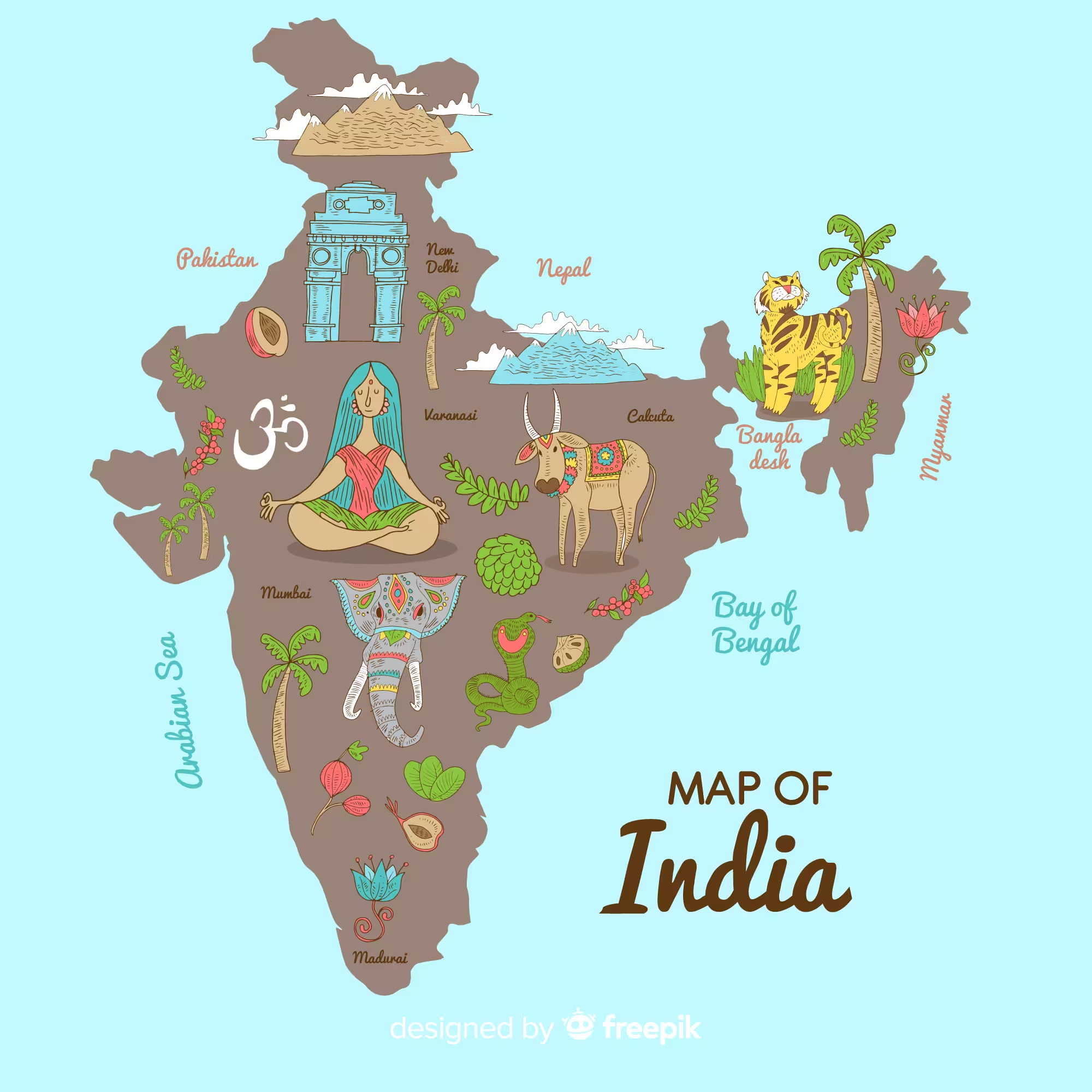
The world in one country
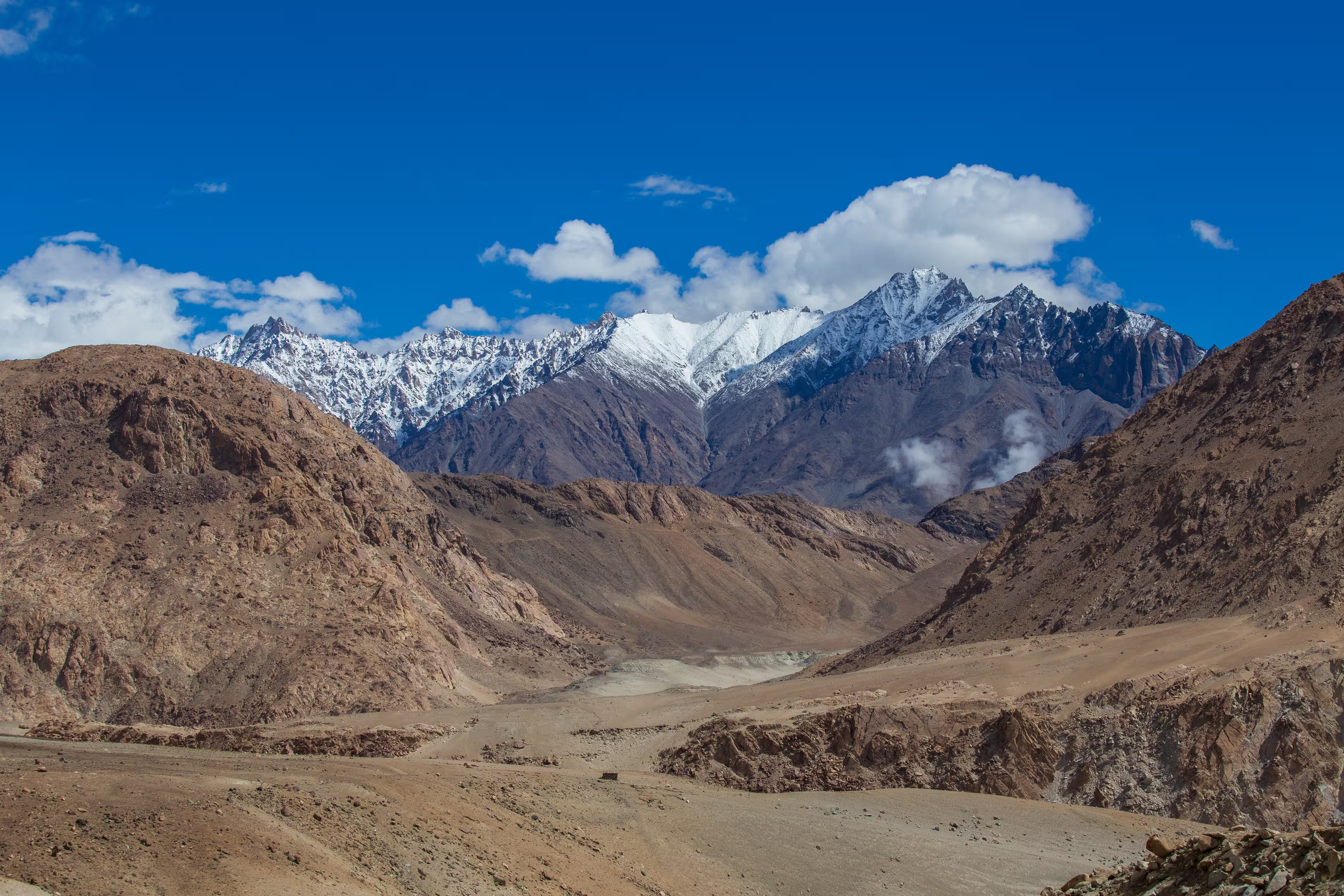
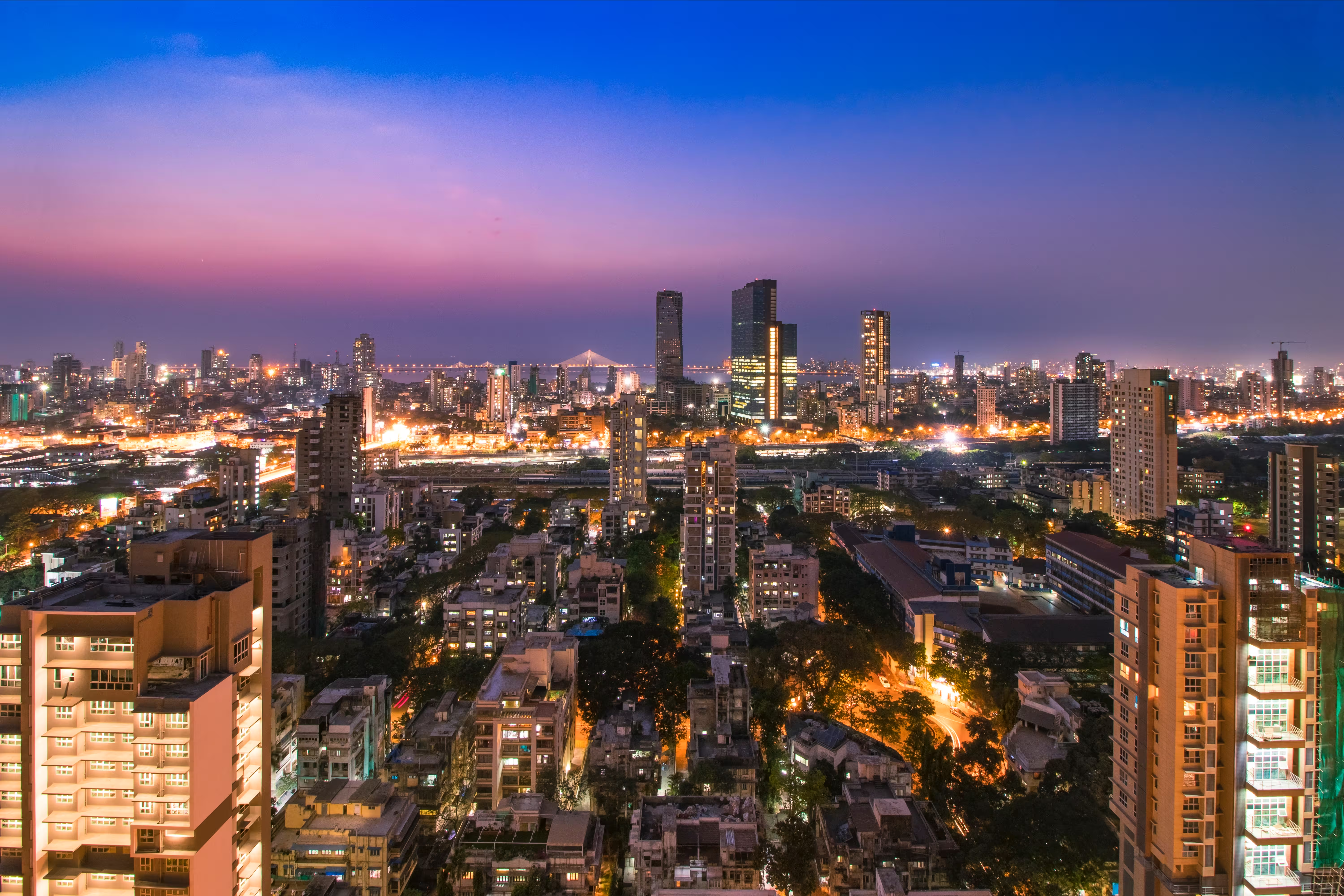
India is not a destination — it is a continent compressed into a single border. From the Himalayan peaks of Ladakh to the backwaters of Kerala, the Thar Desert of Rajasthan to the beaches of Goa, the ancient temples of Tamil Nadu to the modern skyline of Mumbai — the range of landscapes, climates, and cultures is genuinely unmatched anywhere on Earth
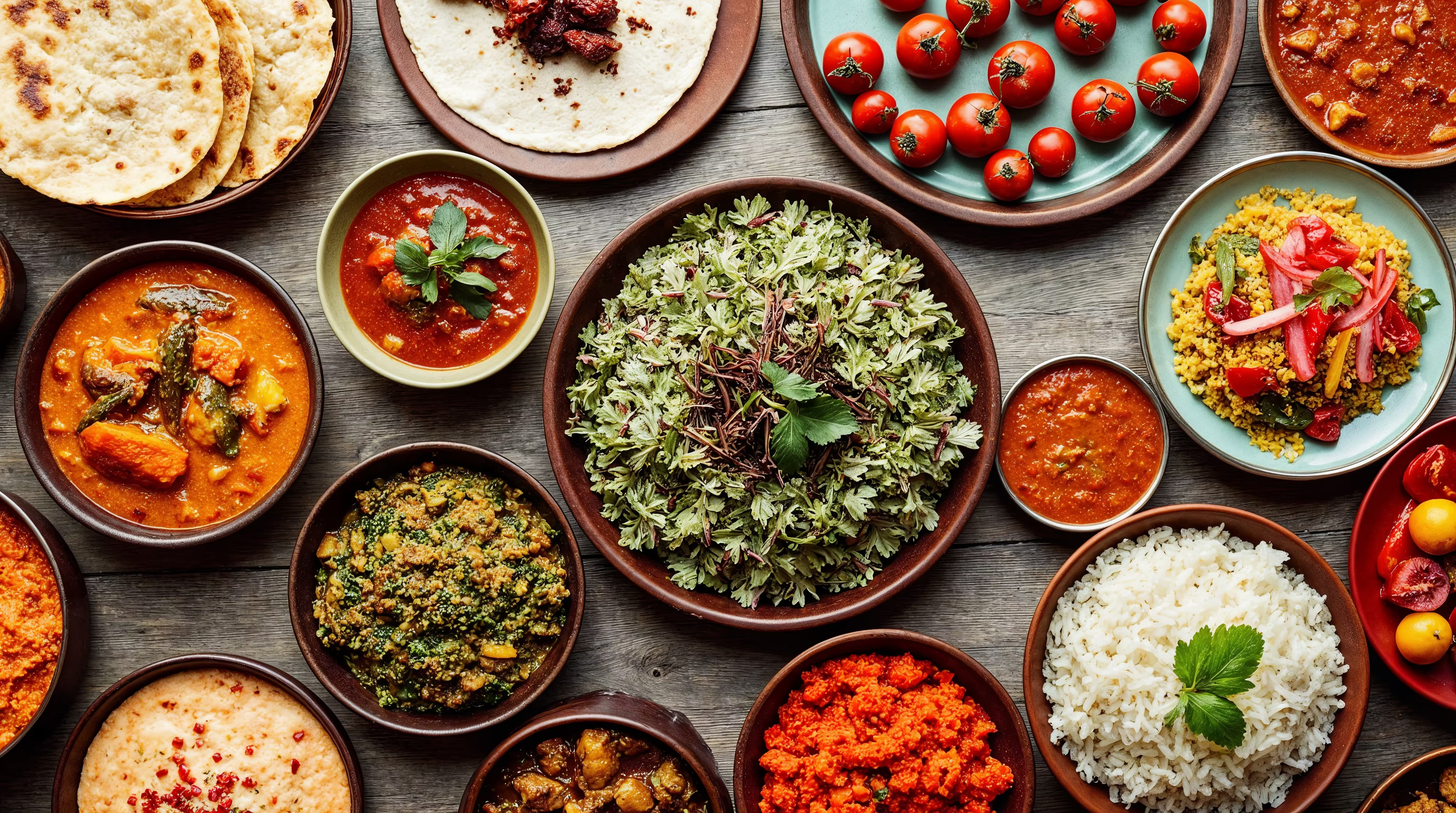
Food that changes how you think about cooking
Every Indian state has its own cuisine, and the differences between them are as significant as the differences between entire European countries. The butter chicken of Delhi bears no resemblance to the seafood curries of Goa, the dosas of Chennai, or the litti chokha of Bihar. Street food in India is not a budget option — it is the real thing, and you will eat better for $2 than you will for $20 in most Western cities.

Extraordinary value for money
A round-trip economy ticket from New York to Delhi typically ranges between $800 and $1,100 in 2025. Once in India, your money goes very far — a decent hotel room in most cities costs $20 to $50 per night, restaurant meals are $2 to $8, and local transport is a fraction of Western prices. India offers a quality of experience significantly disproportionate to its cost.
History that is still alive
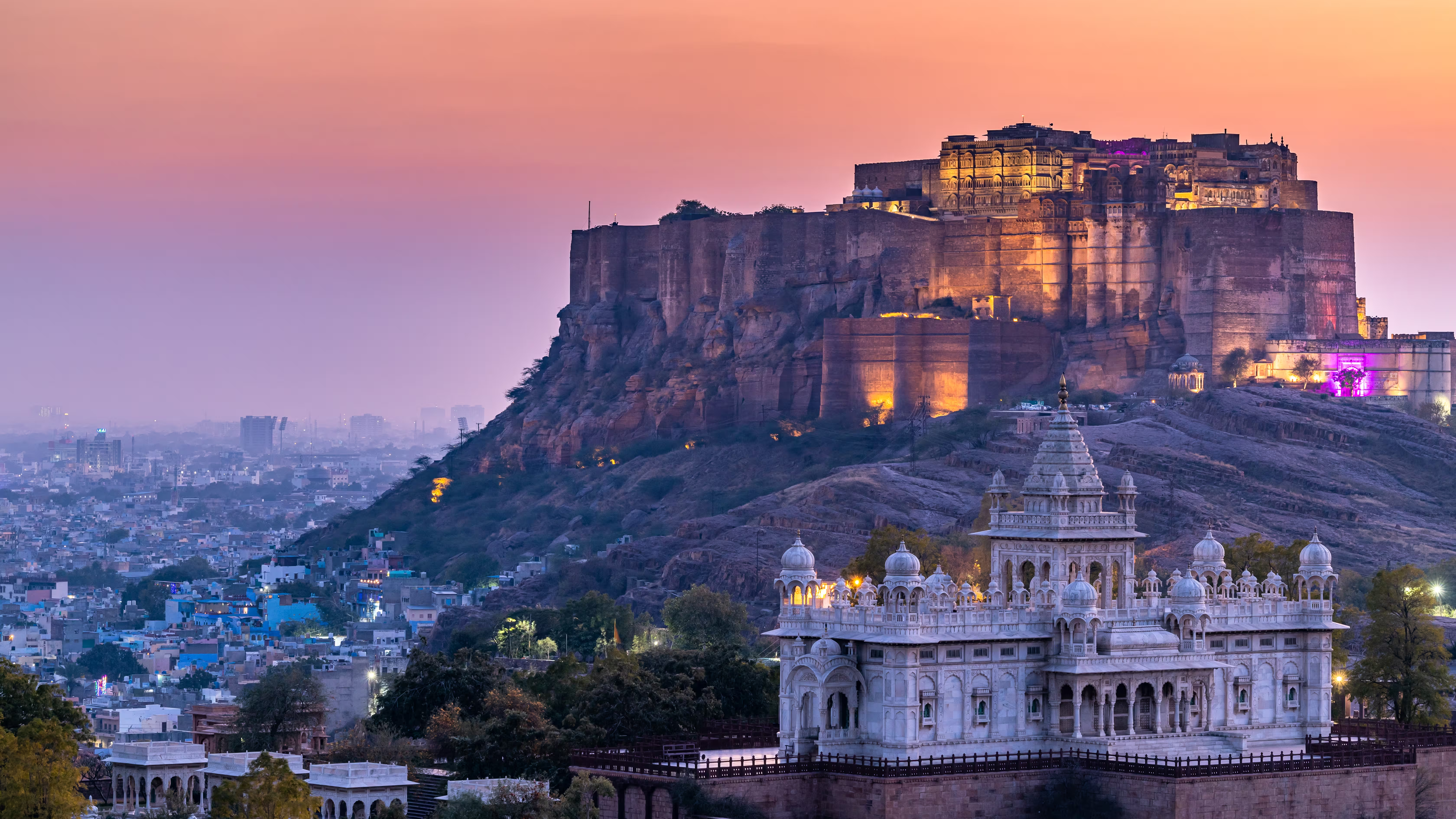
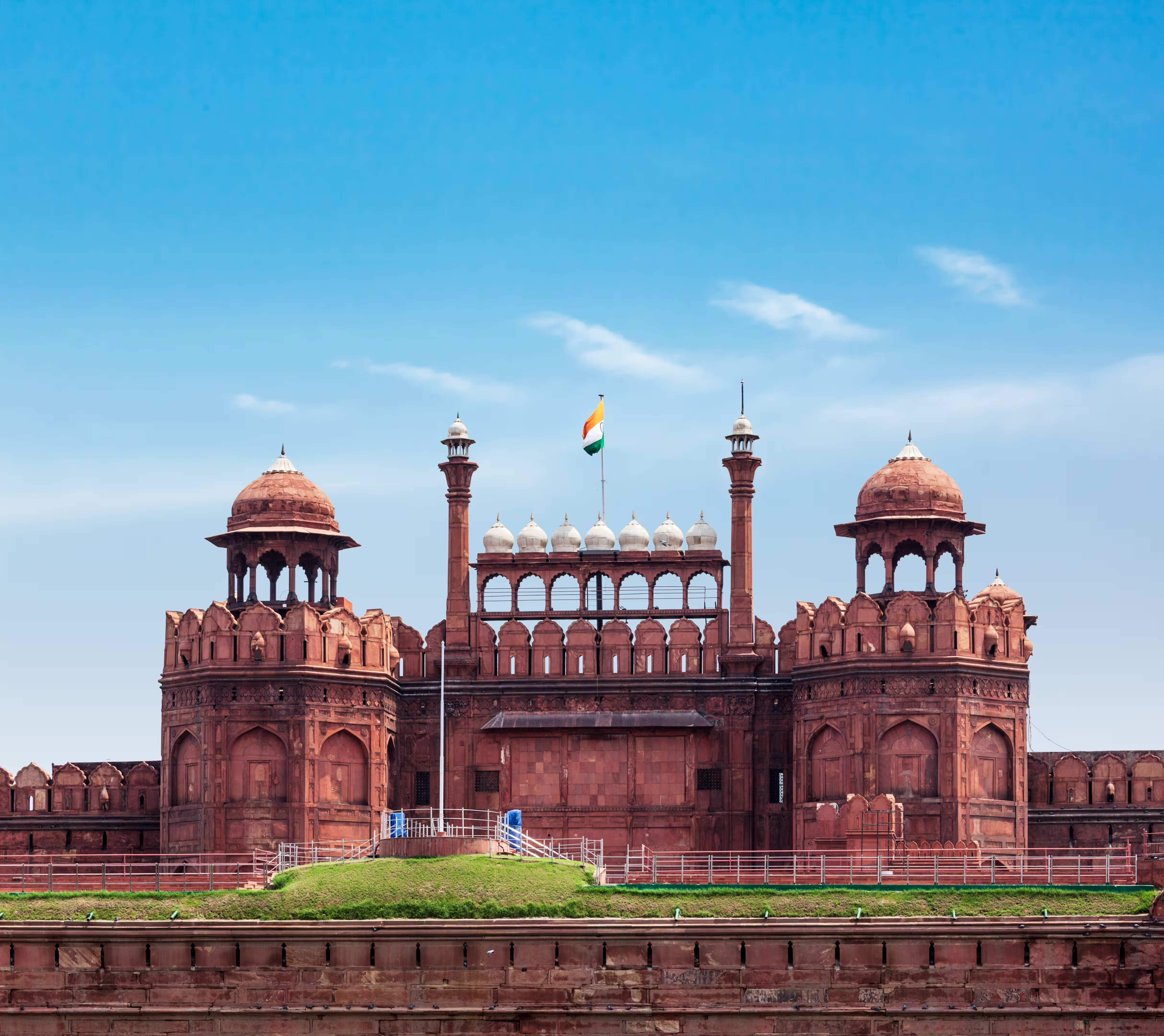
India's history is not behind glass in museums — it is the city itself. The Mughal architecture of Delhi and Agra, the colonial buildings of Mumbai and Kolkata, the thousand-year-old temples of Madurai and Khajuraho, and the ancient ghats of Varanasi where the same rituals that have been performed for millennia continue every single day. Few places on Earth make you feel so aware of the depth of human time.
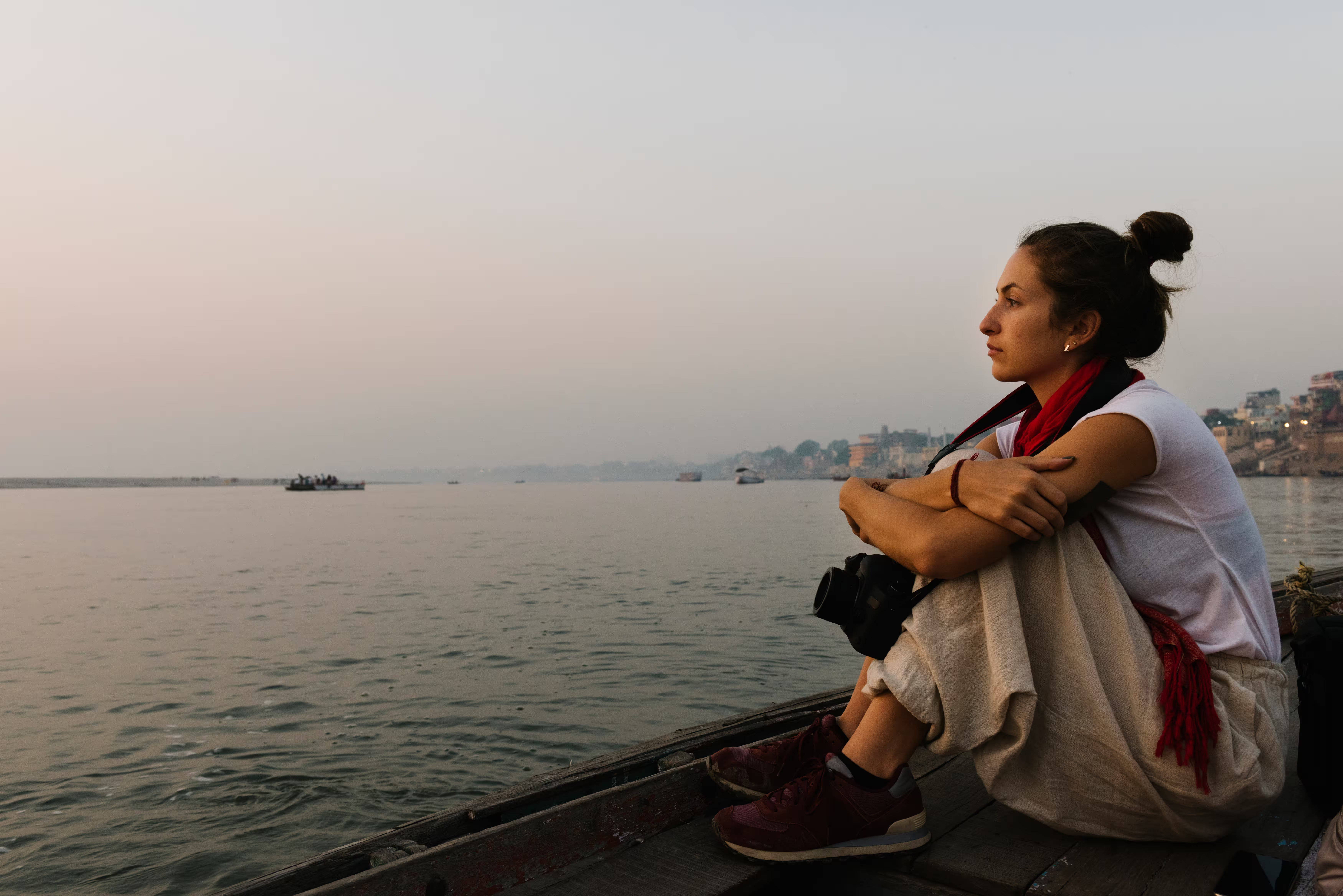
The world's most welcoming country for solo travellers
India has a well-established backpacker trail across Rajasthan, Kerala, Goa, and the Himalayan foothills, with decades of infrastructure built around independent travel. The country also has a large English-speaking population, which makes navigation considerably easier than in much of Southeast Asia or East Asia.
Airlines that make the journey itself worthwhile
Emirates, Qatar Airways, and Singapore Airlines are rated among the world's best for in-flight dining — and all three serve India extensively from the US. A stopover in Dubai, Doha, or Singapore en route to India is not a hardship — it is a bonus destination in itself.
Everything you need to know before you book
Quick Facts - India Flights from the USA
Everything you need to know before you book, in one place

Special Assistance Unlocked.
Simplified Travel Details
Price drop alerts
Zero Travel Fatigue.
By signing up, you agree to receive marketing emails from Triwize. Consent notice.
A traveller's guide
Popular Airports in India — A Traveller's Guide
Your choice of U.S. departure airport can shape the entire trip. Major hubs often offer more direct flights, better schedules, and smoother connections, while smaller airports may require extra layovers but sometimes offer better fares.

Delhi Indira Gandhi
DEL
Hub Airlines
Air India, IndiGo, US carriers
Key Feature
Most US-connected airport in India; T3 is modern and efficient

Mumbai Chhatrapati Shivaji
BOM
Hub Airlines
Air India, IndiGo, US carriers
Key Feature
Financial capital gateway; T2 handles all international flights

Bangalore Kempegowda
BLR
Hub Airlines
Air India, IndiGo, Emirates
Key Feature
Tech hub gateway; direct Air India nonstop from SFO

Hyderabad Rajiv Gandhi
HYD
Hub Airlines
Air India, IndiGo, Emirates, Qatar
Key Feature
Best airport in India for ground experience; serves IT corridor

Chennai
MAA
Hub Airlines
Air India, IndiGo, Singapore Airlines
Key Feature
Gateway to South India; Singapore Airlines hub connection

Kochi International
COK
Hub Airlines
Air India, Emirates, Qatar
Key Feature
Kerala gateway; strong connections via Dubai and Doha
Kolkata Netaji Subhas
CCU
Hub Airlines
Air India, IndiGo, Thai Airways
Key Feature
East India gateway; closest to Darjeeling and Northeast India

Goa Manohar
GOX
Hub Airlines
IndiGo, Air India, UK charter carriers
Key Feature
Beach destination; new airport opened 2023; growing routes

Amritsar Sri Guru Ram Dass
ATQ
Hub Airlines
Air India, UK, carriers
Key Feature
Punjab gateway; strong UK diaspora connections; Golden Temple
1 / 9
Airlines Flying to India from the United States
Explore major airlines operating service from the USA to India. Below is a guide to the key players, their US gateways, and what sets each apart.
✈️
Air IndiaKEY HUBS
JFKEWRORDSFOIAD
WHY CHOOSEOnly airline with nonstop India flights from 5 US cities; Indian meals; Maharaja Club loyalty
✈️
United Airlines✈️
American Airlines✈️
Emirates✈️
Qatar Airways✈️
Etihad Airways✈️
Turkish Airlines✈️
Singapore Airlines✈️
LufthansaGet Notified when Prices go Down
Daily price changes in your inbox - only with Price Alerts
Dates
Departure – Return

Millions of Travellers Saving Big
Check out how Triwize has helped, from real people.
Frequently Asked Questions
Is India safe to travel?
India is a Level 2 destination on the US State Department scale — Exercise Increased Caution — due to crime and terrorism in specific regions. In practice, all major tourist circuits including Delhi, Agra, Jaipur, Mumbai, Goa, Kerala, and Rajasthan are safe for international visitors. Avoid the Kashmir border regions, Manipur, and areas near the Pakistan and China borders, which carry genuine risk. App-based taxis, women-only train compartments, and the metro systems in major cities are the safest transport options. Enrol in the State Department's STEP programme at travel.state.gov before you go.
When are the cheapest flights to India available?
For those wondering when to book the cheapest flights to India from USA should know that September is consistently the cheapest month to fly from the US to India, with fares regularly below $650 return. The demand lull between Labor Day and Diwali creates a genuine pricing window that extends through most of October. January and February are the next best alternatives. Avoid December 10 to January 5 and June 10 to July 14 — the two most expensive windows of the year. Book 4 to 6 months ahead. Wednesday is the cheapest day to buy; Saturday is the most expensive.
What is the new rule for international travel to India?
From October 2025, all foreign travellers entering India can submit an electronic arrival form (India e-arrival form) online through indianvisaonline.gov.in up to 72 hours before travel, replacing the traditional paper form handed out on flights. Paper forms remain accepted until March 2026. India may deny entry to travellers without valid documents or the correct visa type — rules change frequently, so verify current India travel requirements for US citizens with the Indian Embassy in Washington DC before travelling.
Is there a travel advisory for India from the USA?
Yes — India is currently rated Level 2: Exercise Increased Caution by the US State Department, due to crime and terrorism. Level 2 is not a warning against travel — France, Germany, and the UK carry the same rating. It does not affect travel insurance or bookings. All major tourist destinations are unaffected. Level 4 Do Not Travel zones are limited to Manipur, areas within 10km of the Pakistan border, and parts of Jammu and Kashmir. Register with STEP at travel.state.gov and save the US Embassy New Delhi number: +91-11-2419-8000.
What is not allowed in checked baggage for international flights?
Figuring out banned items in international flight baggage can be stressful. The following are items prohibited in checked luggage on international flights to and from India: compressed gases (butane, oxygen cylinders, liquid nitrogen), corrosives (acids, mercury, wet cell batteries), explosives, fireworks, ammunition, flares, oxidising materials (bleaching powders, peroxides), weed killers, pesticides, and magnetised items. Additionally, airlines recommend never placing in checked baggage: passports, cash, credit cards, lithium batteries above watt-hour limits, medication, jewellery, cameras, or any fragile valuables. Carry all of these in your cabin bag
Is it legal to bring a drone or satellite phone into India?
No to both. Satellite phones are illegal in India — possession without government clearance can result in fines, detention, or arrest, regardless of whether the device is in cabin or checked baggage. Do not bring one. For drones, batteries over 100Wh cannot travel in cabin or checked luggage — cargo shipment with prior approval is the only option. Flying any drone in India without DGCA registration is illegal. Foreign drones must be registered with India's Directorate General of Civil Aviation before any flight operation. If aerial photography is your goal, a mirrorless camera with a zoom lens is the practical and legal alternative.
What vaccinations are recommended before traveling to India?
The CDC recommends starting vaccinations at least 4 to 6 weeks before departure. All travellers should be up to date with routine immunisations. Additionally CDC recommended vaccines for India are Hepatitis A, Hepatitis B, Typhoid, Cholera, Japanese Encephalitis (for rural travel), Rabies (for extended stays or adventure travel), and COVID-19. Polio vaccination proof is required if arriving from a polio-affected country. Yellow fever vaccination proof is required if arriving from a country with yellow fever risk. Note that dengue, Zika, and malaria cannot be prevented by vaccine — use insect repellent and cover exposed skin.
Is it safe to drink tap water or eat street food in India?
Do not drink tap water in India — anywhere, including five-star hotels. Use sealed bottled water for drinking, brushing teeth, and rinsing. Check the seal before opening. Be cautious with ice outside established restaurants and hotels. Street food is safe when approached sensibly — eat food cooked fresh in front of you and served piping hot, avoid raw salads and pre-prepared chutneys at stalls, and choose busy stalls with high turnover over quiet ones. Pani puri, dosas, biryani, and freshly grilled or fried food are generally low-risk. Carry oral rehydration salts regardless — traveller's diarrhoea is common even with precautions.
What is the best way to travel between Indian cities?
On how to get around India for distances over 700km, domestic flights are the fastest and often surprisingly affordable option — IndiGo, Air India Express, and SpiceJet connect all major cities with fares from $20 to $40 one-way when booked 3 to 4 weeks ahead. For medium distances, Indian Railways is the most practical choice — Rajdhani and Shatabdi express services are comfortable, affordable, and reliable. Book through IRCTC 60 to 90 days ahead for popular routes. For hill stations with limited rail access — Manali, Shimla, Ooty — quality Volvo bus services are the best option. Within cities, on how to travel India on a budget, Uber and Ola are reliable, safe, and transparent on pricing.
What is the safest mode of transport for female travelers?
Many wonder if India is safe for female solo travellers. Here’s some solo female travel India tips you can follow. Uber and Ola are the safest options for urban travel — both apps record driver details, route, and journey time. Share your live location before every ride. On trains, use the women-only compartment available on all Indian express services — it is exclusively for women with no exceptions, and is strongly recommended for overnight journeys. Metro systems in Delhi, Mumbai, Bangalore, Hyderabad, Chennai, and Kolkata all have women-only carriages, often making them the safest transport for women in India. Avoid travelling alone late at night in unfamiliar smaller cities and towns.
What is the weather like during monsoon season in India?
India's rainy season guide states that Monsoon runs June to September. The southwest monsoon arrives in Kerala in late May, sweeps north through June and July, and reaches Delhi by late June. Expect heavy daily rainfall, rising humidity, and occasional flash flooding in coastal and hilly regions. Road and rail travel can be disrupted in flood-prone areas. The upside: Rajasthan turns green and empties of tourists, Kerala's backwaters are lush and dramatic, fares and hotels are at their annual cheapest, making them best places to visit in the Indian monsoon. Northeast India — Meghalaya, Assam, Sikkim — receives extreme rainfall and is best avoided during peak monsoon unless trekking specifically for that landscape. Pack waterproof layers and accept that some days will be rain-only days.
When is the peak tourist season in India?
Peak tourist season in India runs October to March — specifically mid-October through early February is the busiest period for international visitors, also making it the best time to visit India . October and November offer ideal weather across most of India, Diwali celebrations, and the best conditions for Rajasthan and the Golden Triangle. December to February is the classic Golden Triangle season — warm days, cool nights, clear skies. March brings Holi, one of the most spectacular festival experiences in the world. Avoid April and May in northern India — Delhi and Rajasthan regularly reach 42 to 45°C. South India, Kerala, and hill stations remain manageable year-round.
Plan your trip to India
Terms and Conditions : Fares are sourced across 500+ airlines and include all taxes, surcharges, and Triwize service fees. Displayed prices are subject to change until ticketed. Tickets are nonrefundable, nontransferable, and subject to airline restrictions; name changes are not permitted. Triwize Coins are earned on qualified bookings, hold no cash value, are non-transferable, and may be modified or discontinued at any time. See full Terms for details.